Arcadia Craft
Arcadia Craft
HomePrivacy PolicyCookie PolicyTerms and Conditions

Where Worldbuilding Becomes Real

The worlds you imagine need things you can hold

The techniques that turn abstract lore into objects that actually exist.

You've got the magic system locked down. The map's done. The way your people talk is figured out. But then there's the hard part—the stuff most guides won't touch: making it real. Arcadia Craft is about the actual skills that match your worldbuilding. How to age paper without destroying it. How to sculpt artifacts that follow your own metallurgical logic. How to build terrain pieces that work with your lore. (Not generic craft stuff. We start where you've already done the thinking.)

Whether you're making a grimoire journal for your TTRPG, designing spell component storage that fits how your magic actually works, or sculpting artifact replicas with real historical detail—this walks you through the choices and methods that stop the gap between what you imagined and what ends up in your hands.


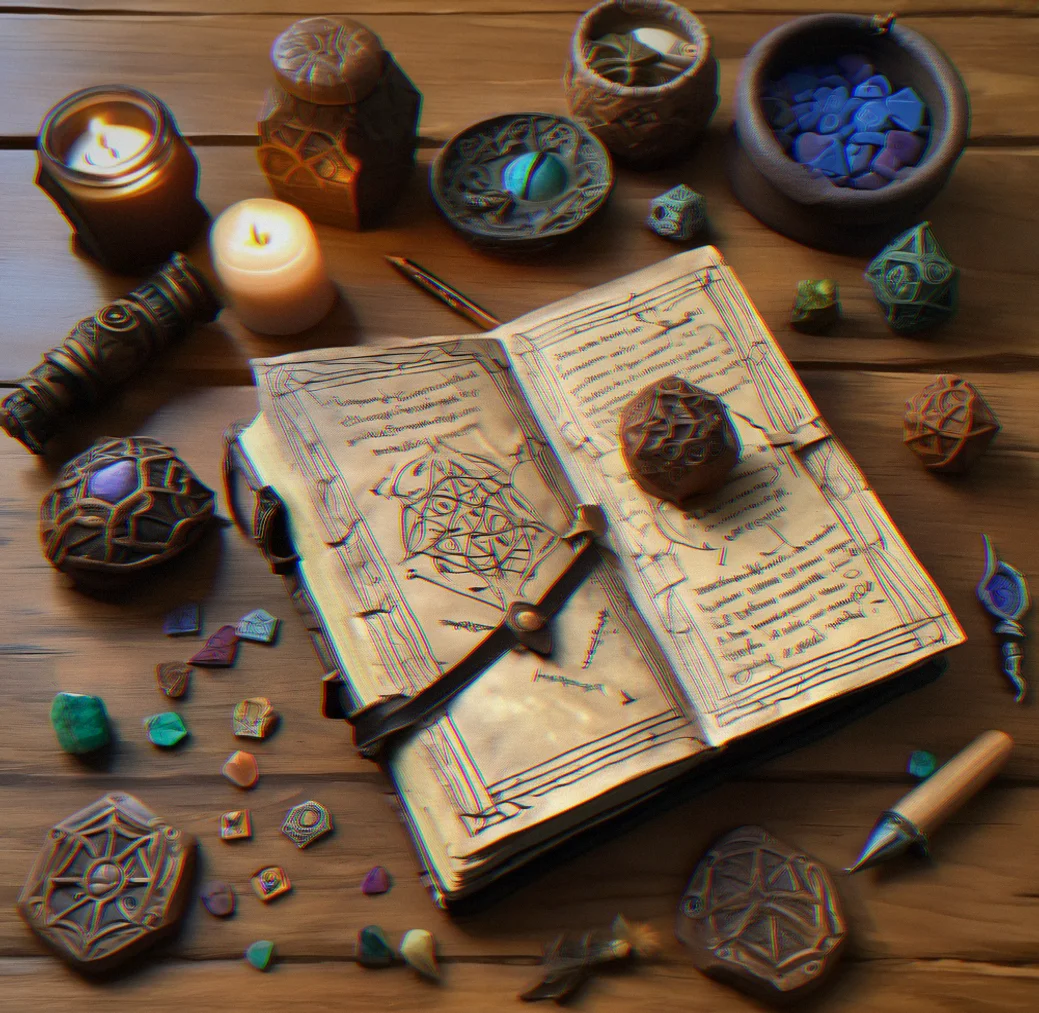
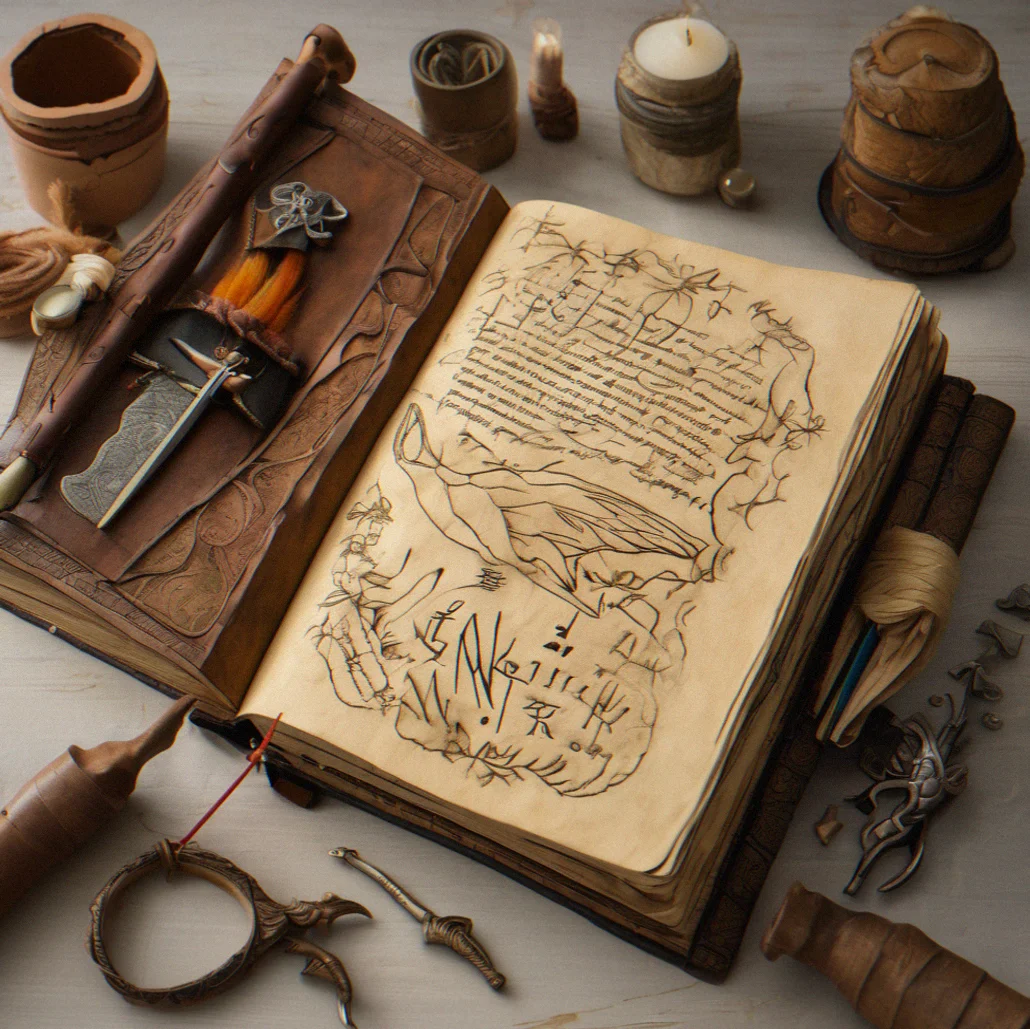
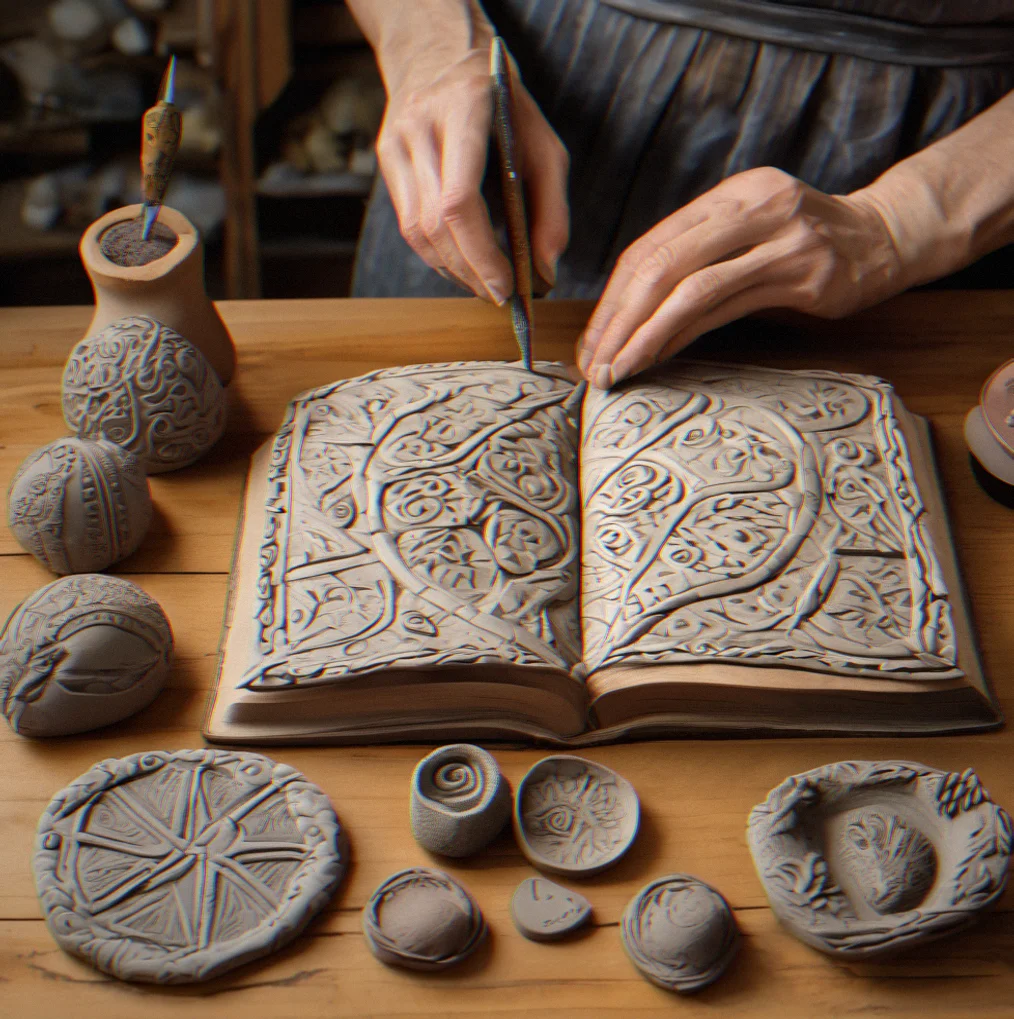
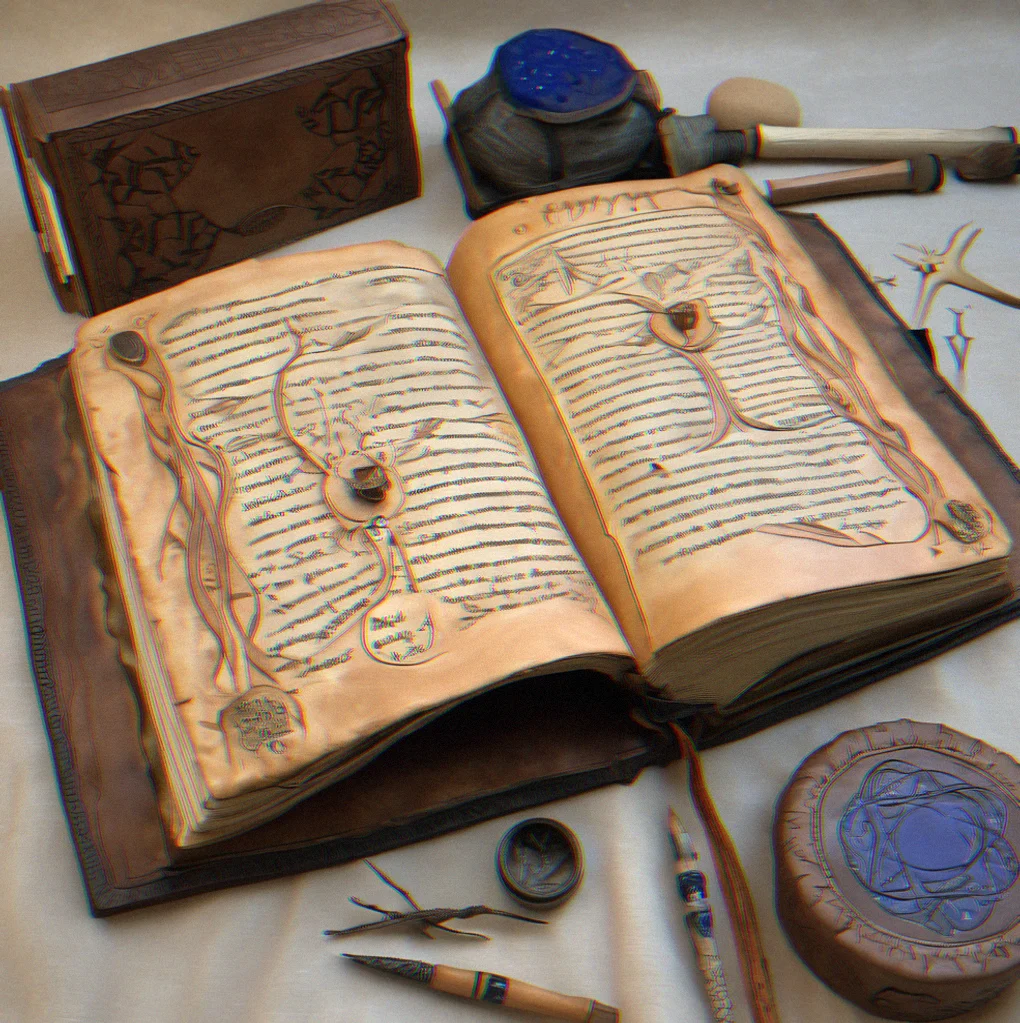
Worn leather-bound grimoire sitting next to handmade polymer clay spell components and a hex terrain tile

Work in Progress

Real projects at different stages. Aging, sculpting, building. These aren't portfolio pieces—just what actually happens when worldbuilding and craft collide.

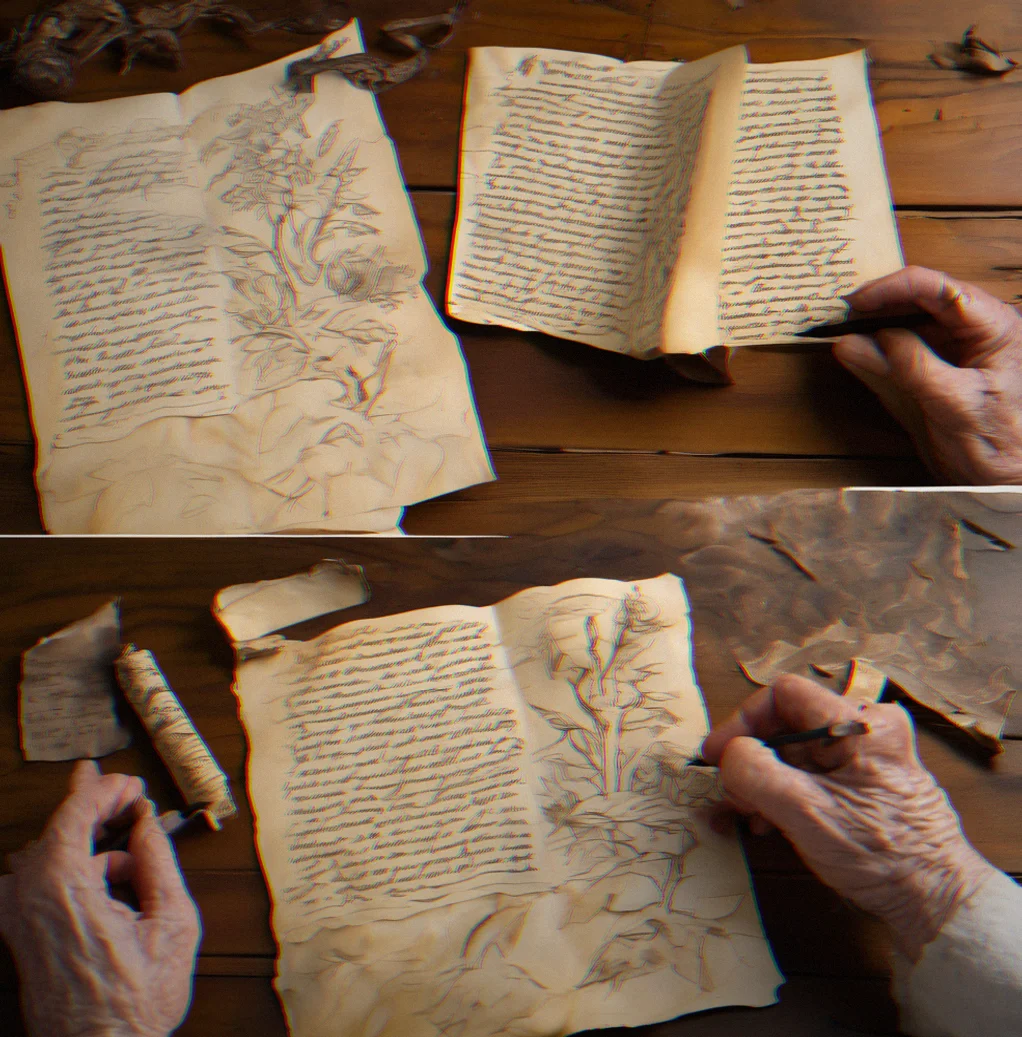
Three sheets of paper showing aging progression from white to dark tea-stained with visible fiber texture

Paper aging stages. Left shows untreated. Middle is after a 24-hour soak. Right spent 72 hours in solution with charring around the edges.

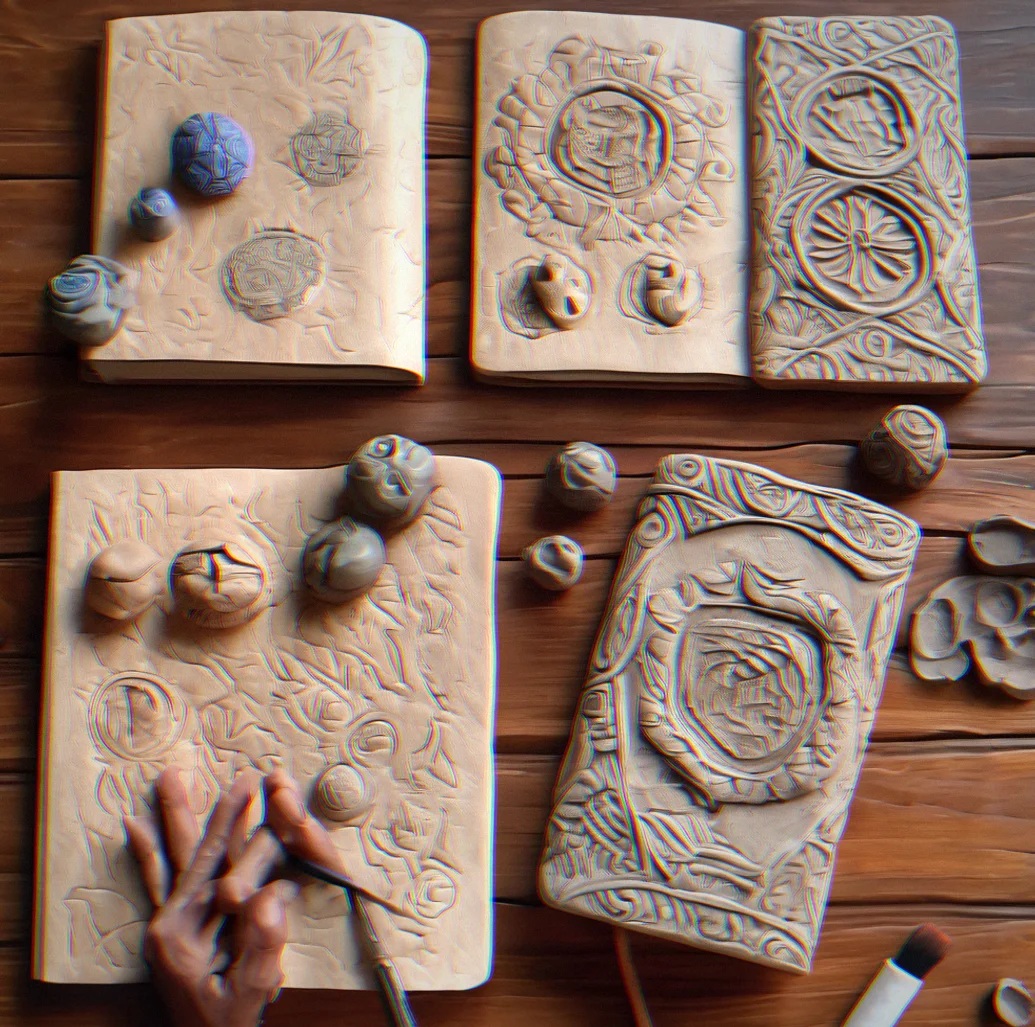
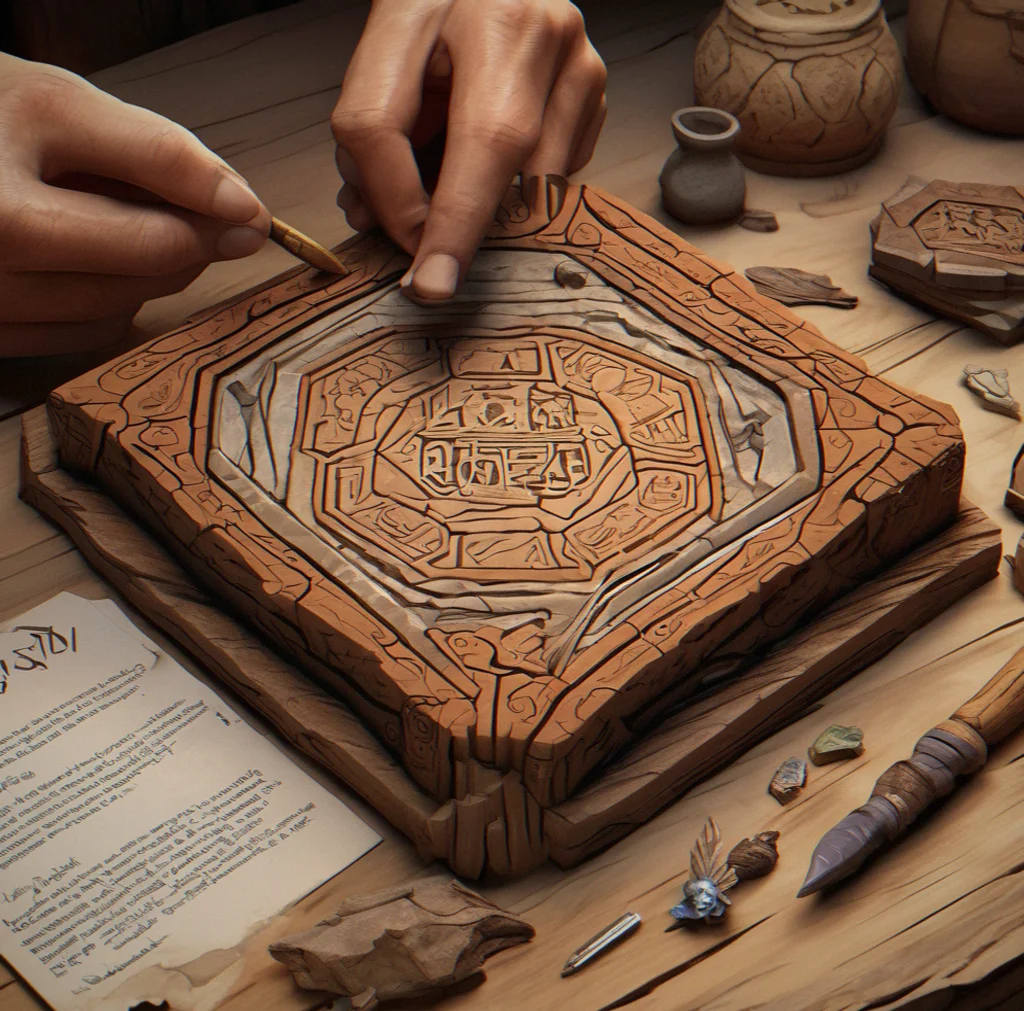
Five polymer clay artifact replicas on a wooden surface, each with distinct texture and metallic finish

Sculpted artifacts showing different ways to handle surface detail. The texture is what sells it.

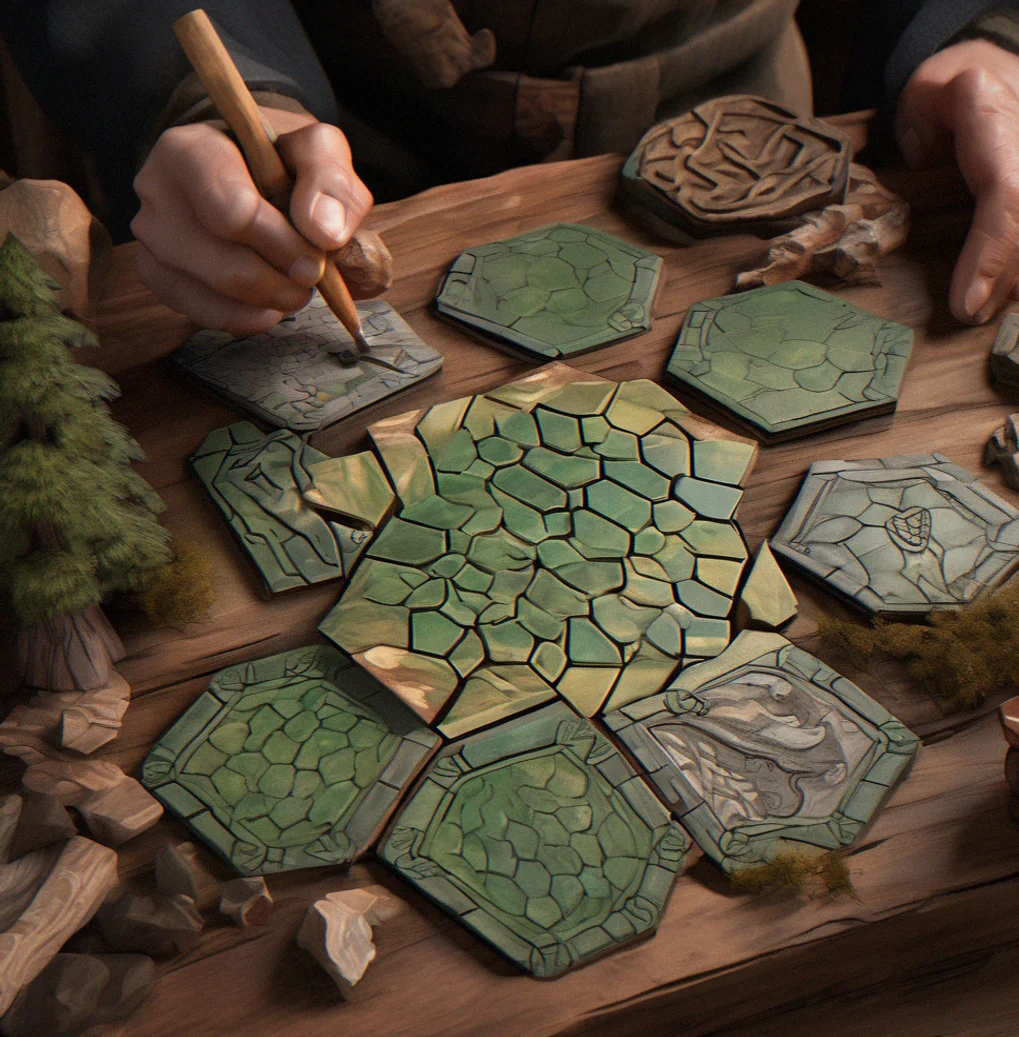
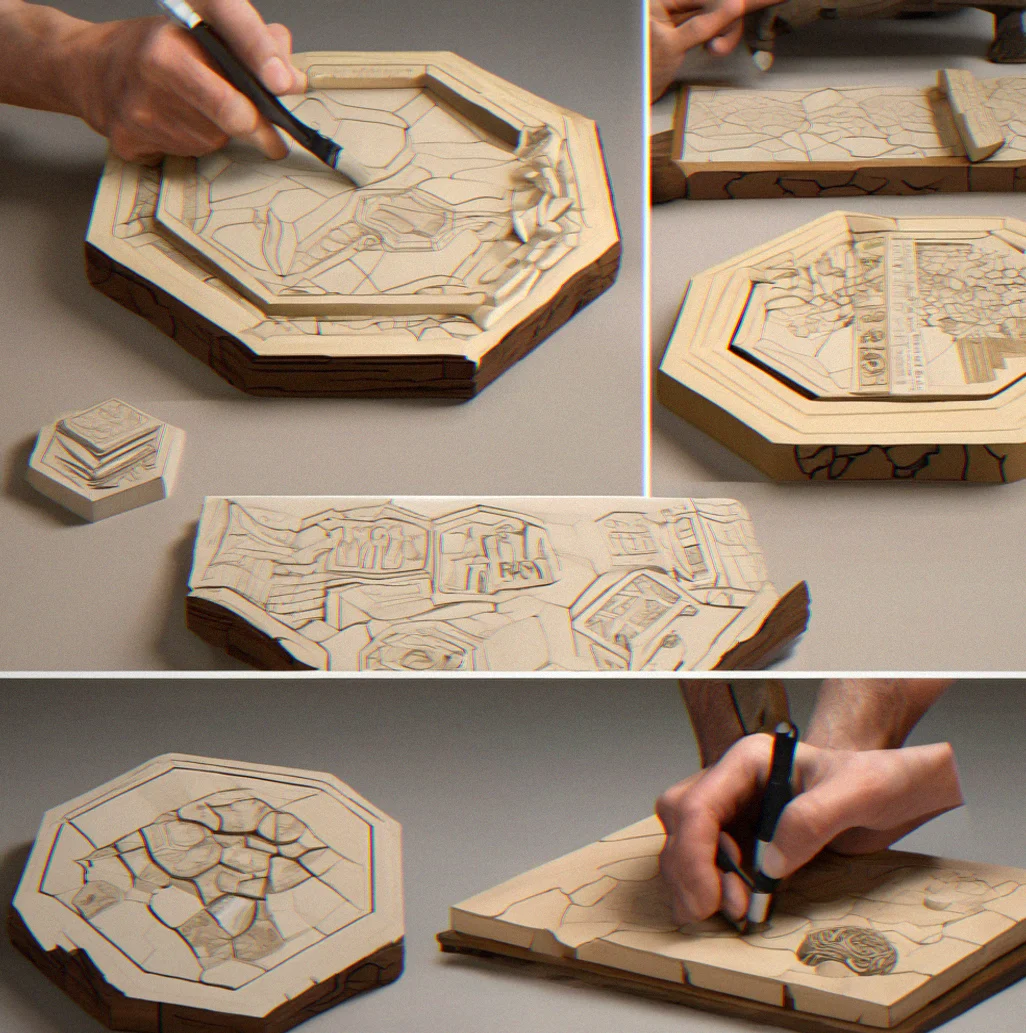
Twelve interlocking heexagonal terrain tiles with integrated lore block slots, painted in forest and mountain tones

Modular hex terrain with slots for lore blocks. Twelve tiles total. Each slot fits a 3x2 inch card.

How the Work Actually Happens

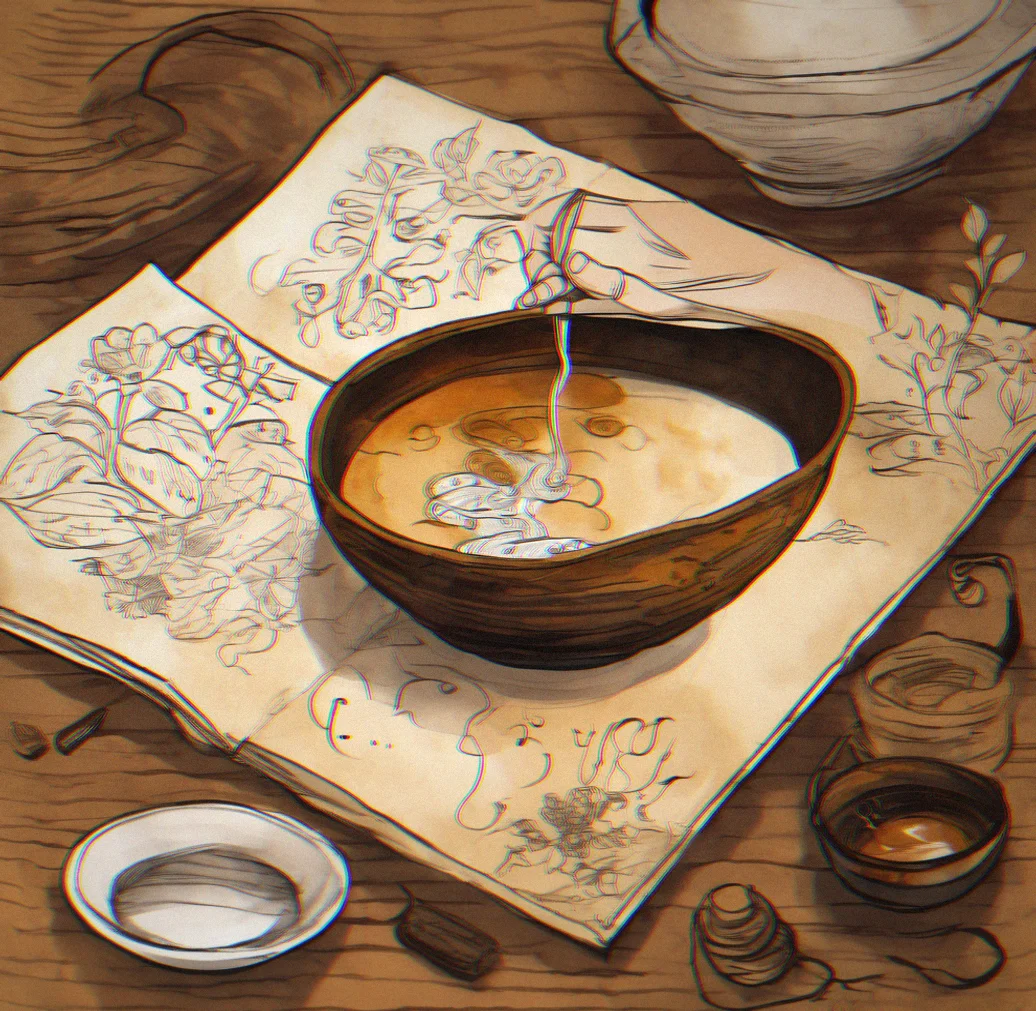
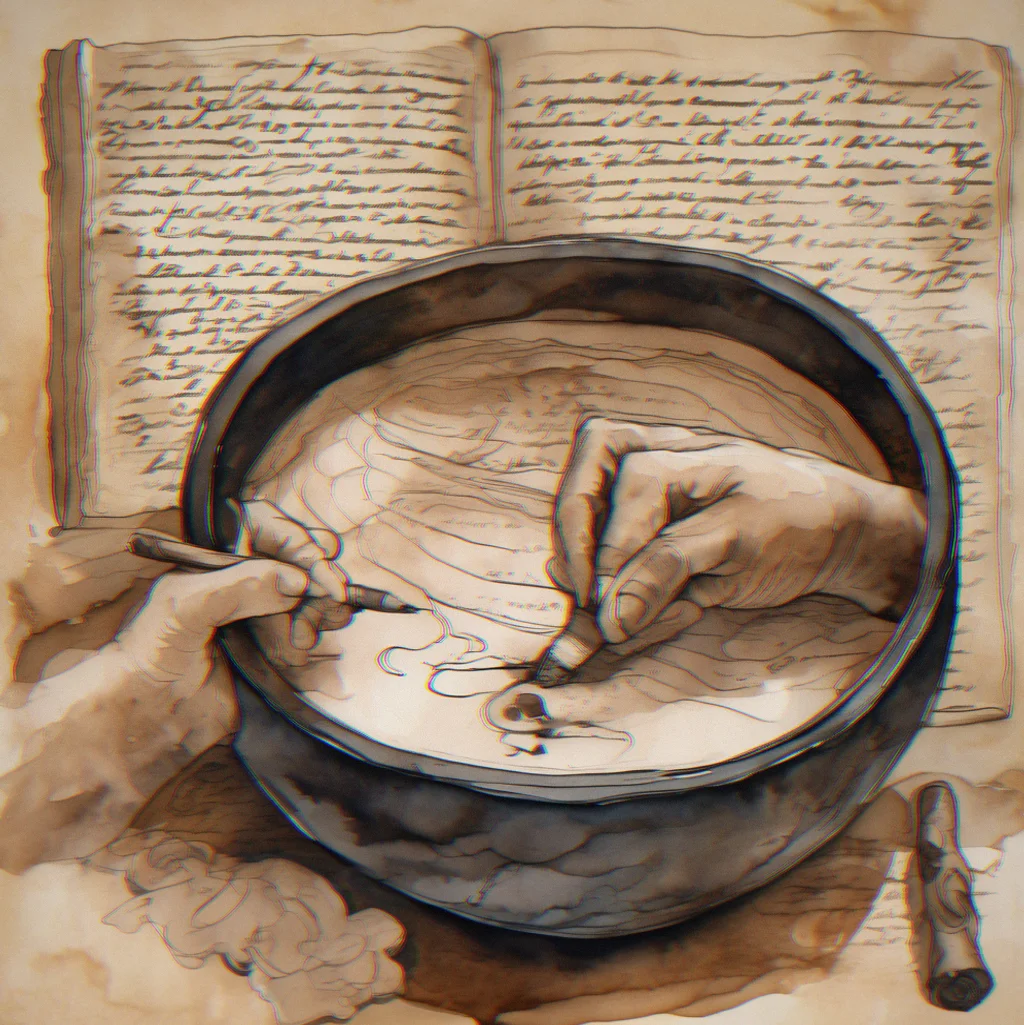
Hands holding tea-stained paper above a ceramic bowl with dark tea liquid

Paper Aging for Grimoires

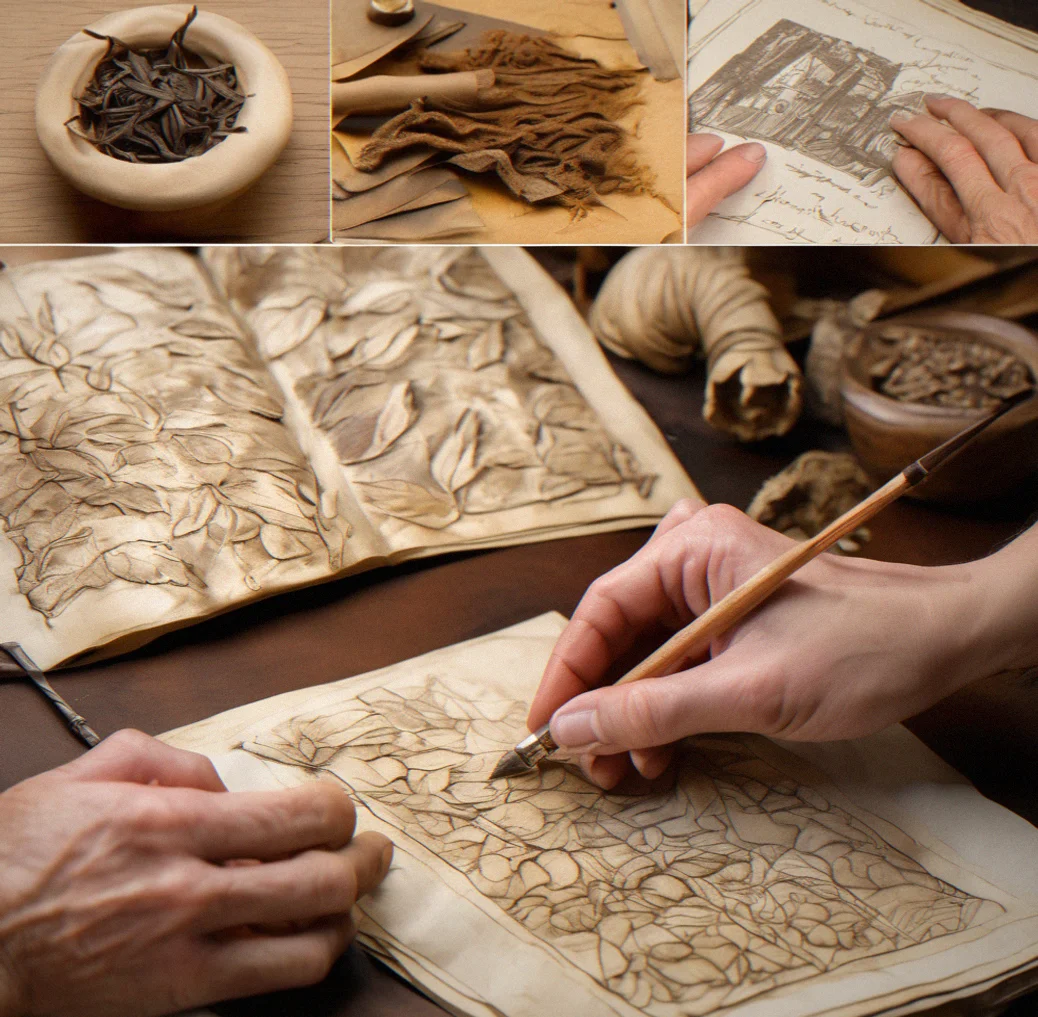
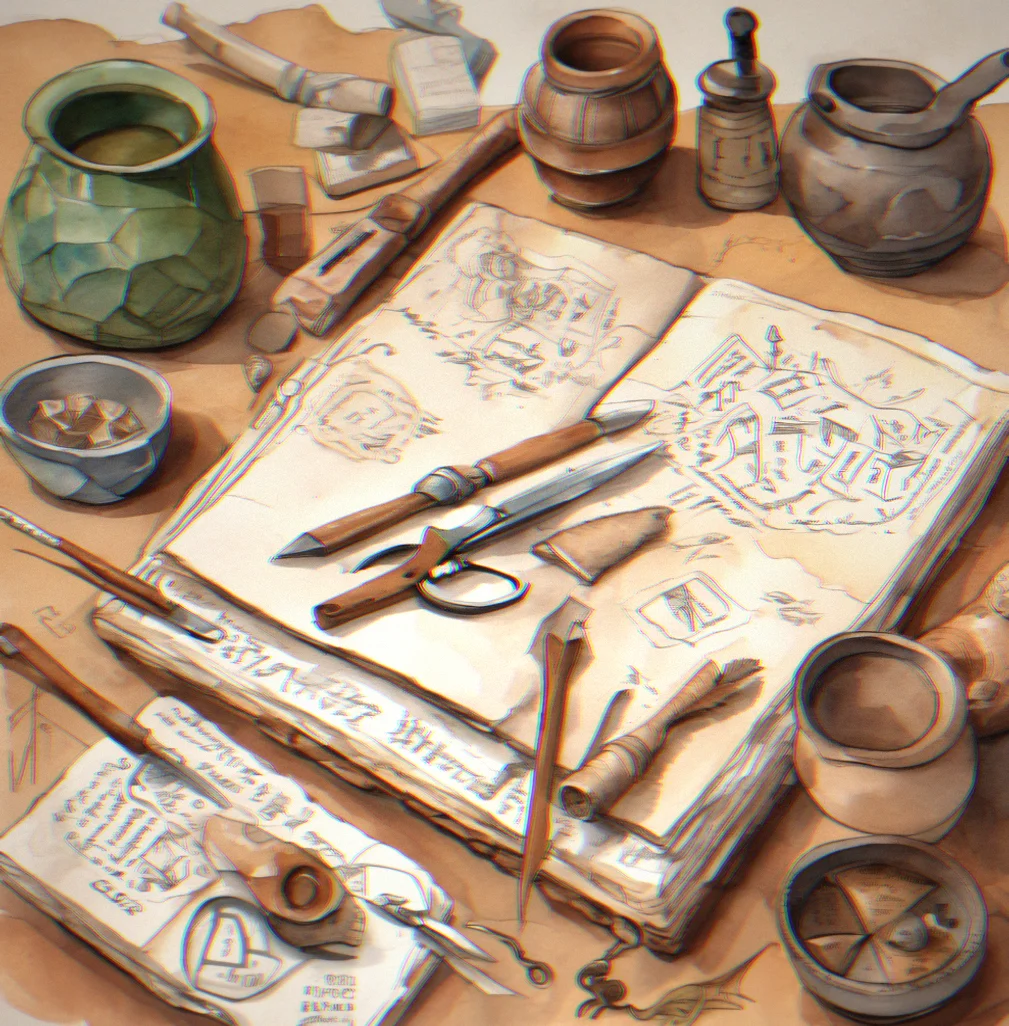
Start with cotton rag paper—at least 25% rag content. Soak it in brewed black tea or coffee for a day or two, depending on how dark you want it. Dry it flat under weight so it doesn't curl. As long as you get the water temperature and brewing strength right, the fiber stays solid.

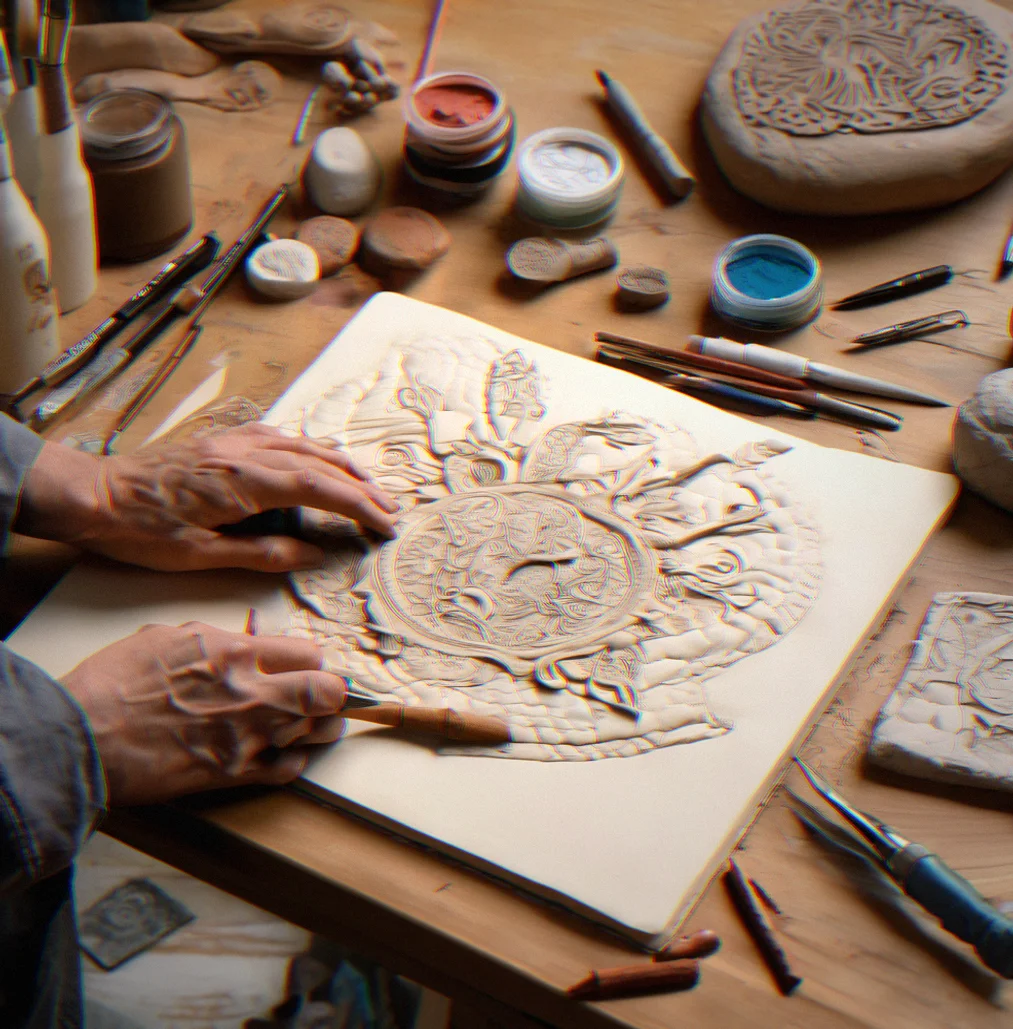
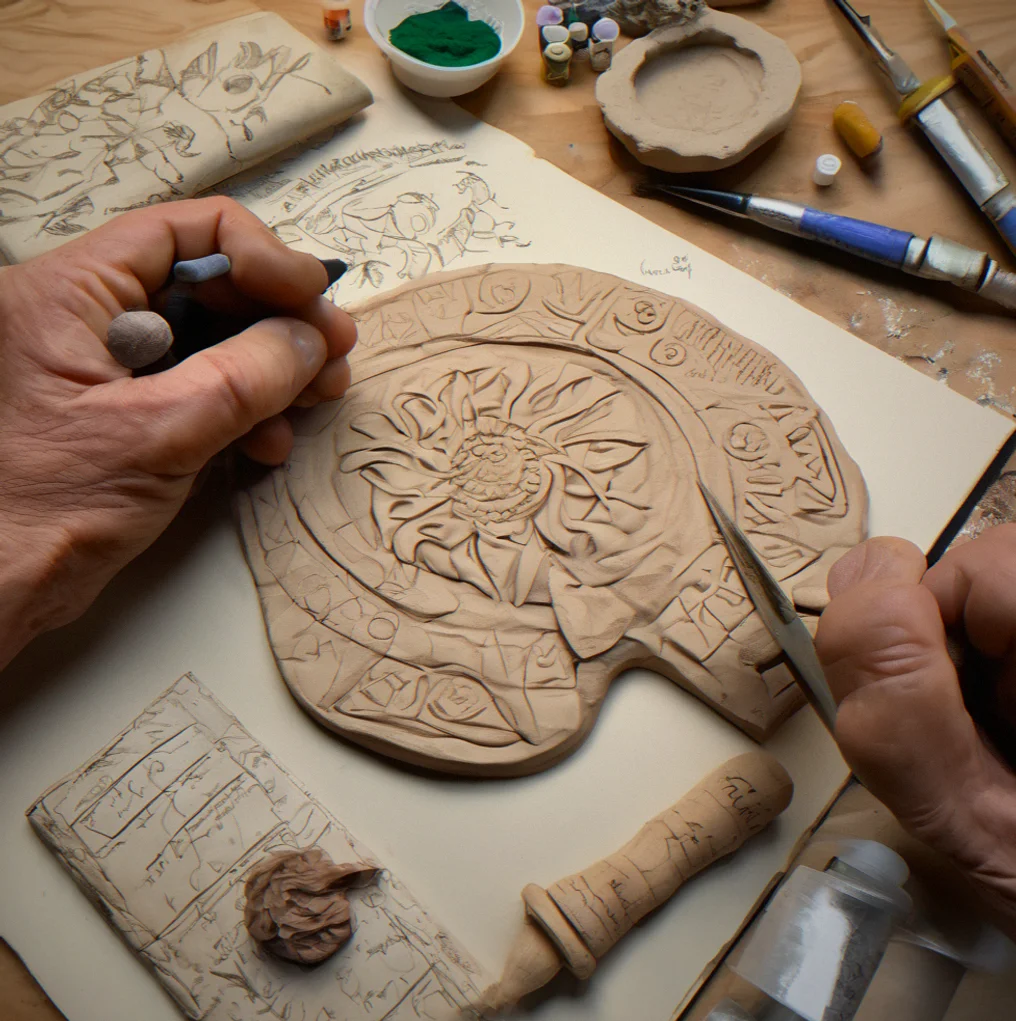
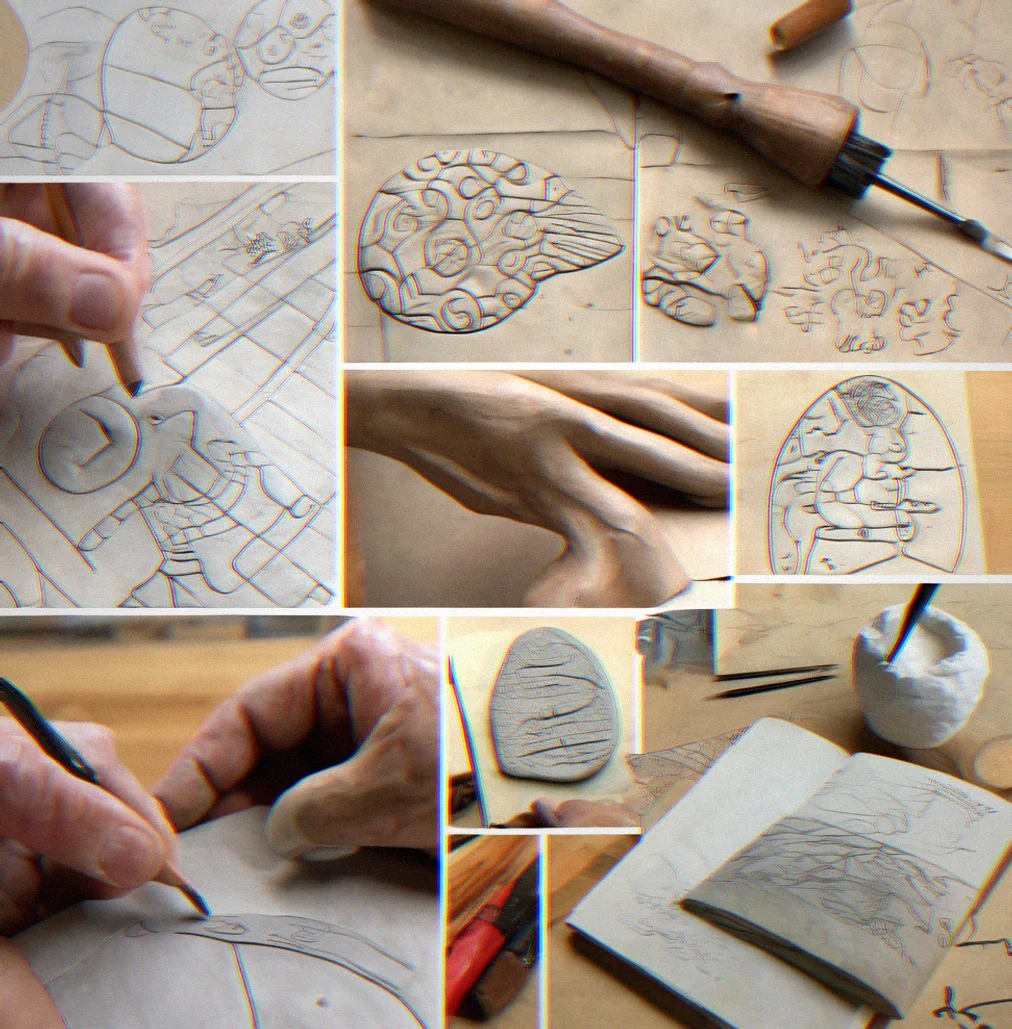
Polymer clay artifact in progress on a work surface with sculpting tools and reference sketches

Polymer Clay Artifact Sculpting

The gap between a throwaway fantasy object and one that actually fits your world comes down to materials. If your culture can't work fine metal, the artifacts won't have crisp edges. Iron becomes rare, the surface texture shifts. Sculpting forces you to think through those real constraints instead of just making whatever looks cool.

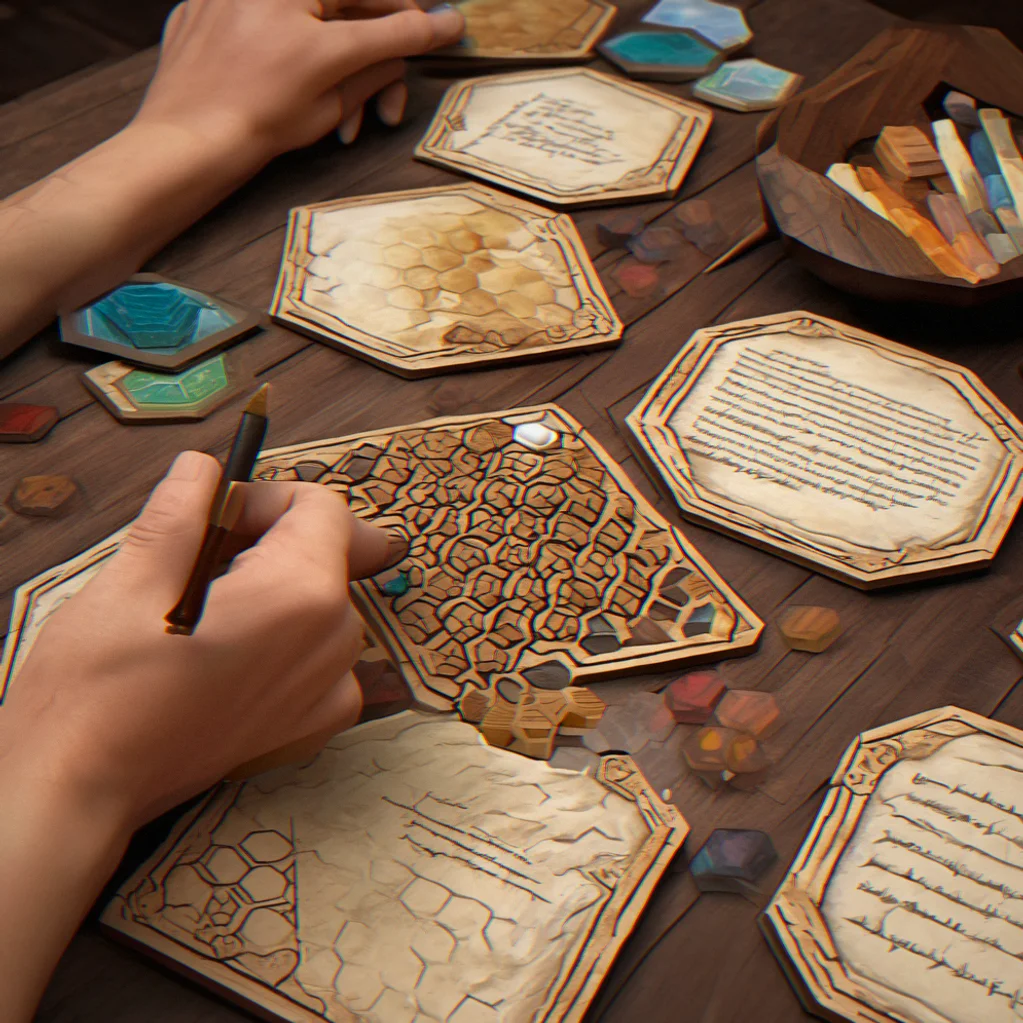
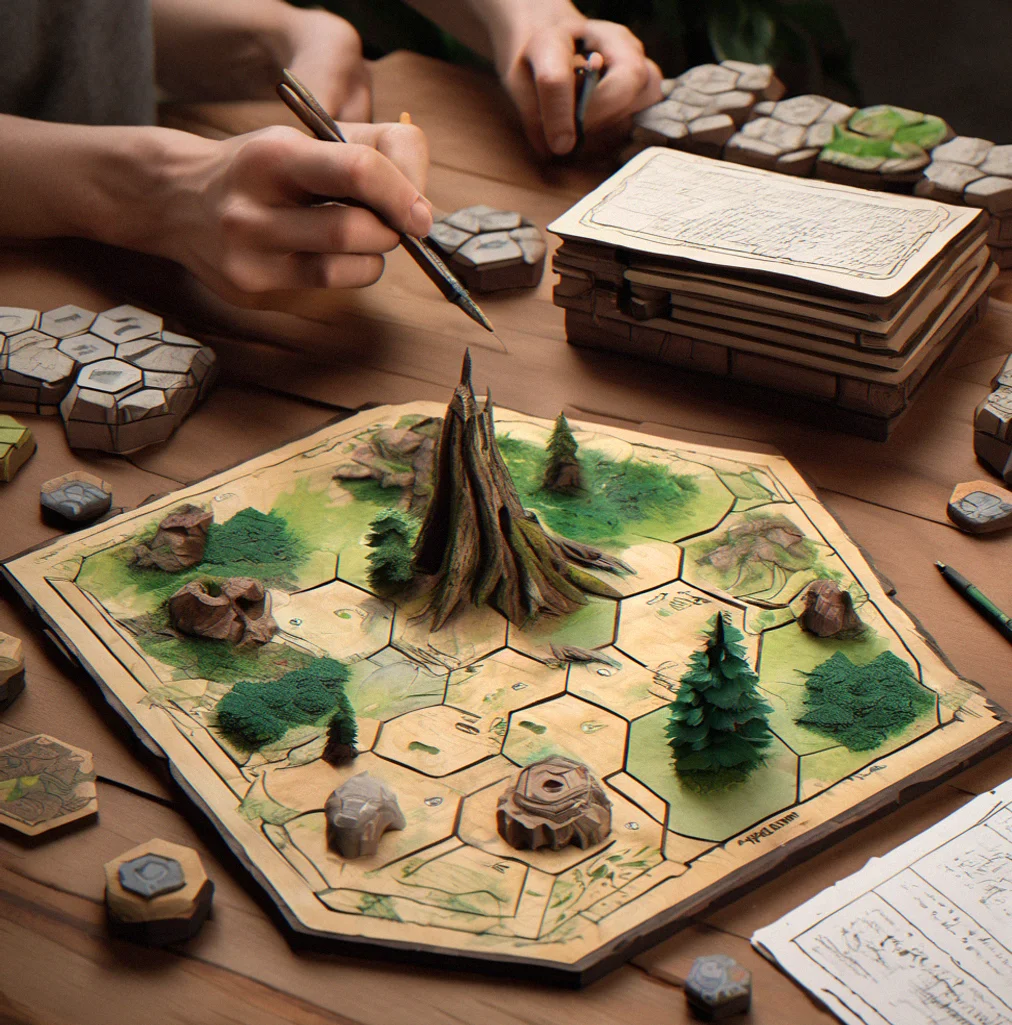
Completed hexagonal terrain tile set arranged in honeycomb paattern with lore cards inserted

Modular Hex Terrain Tiles

Build a dozen hexagonal tiles with built-in slots for 3x2 inch lore blocks. Each one does double duty—visual gameplay and written worldbuilding at the same time. You end up with a terrain you can actually hold and rearrange.

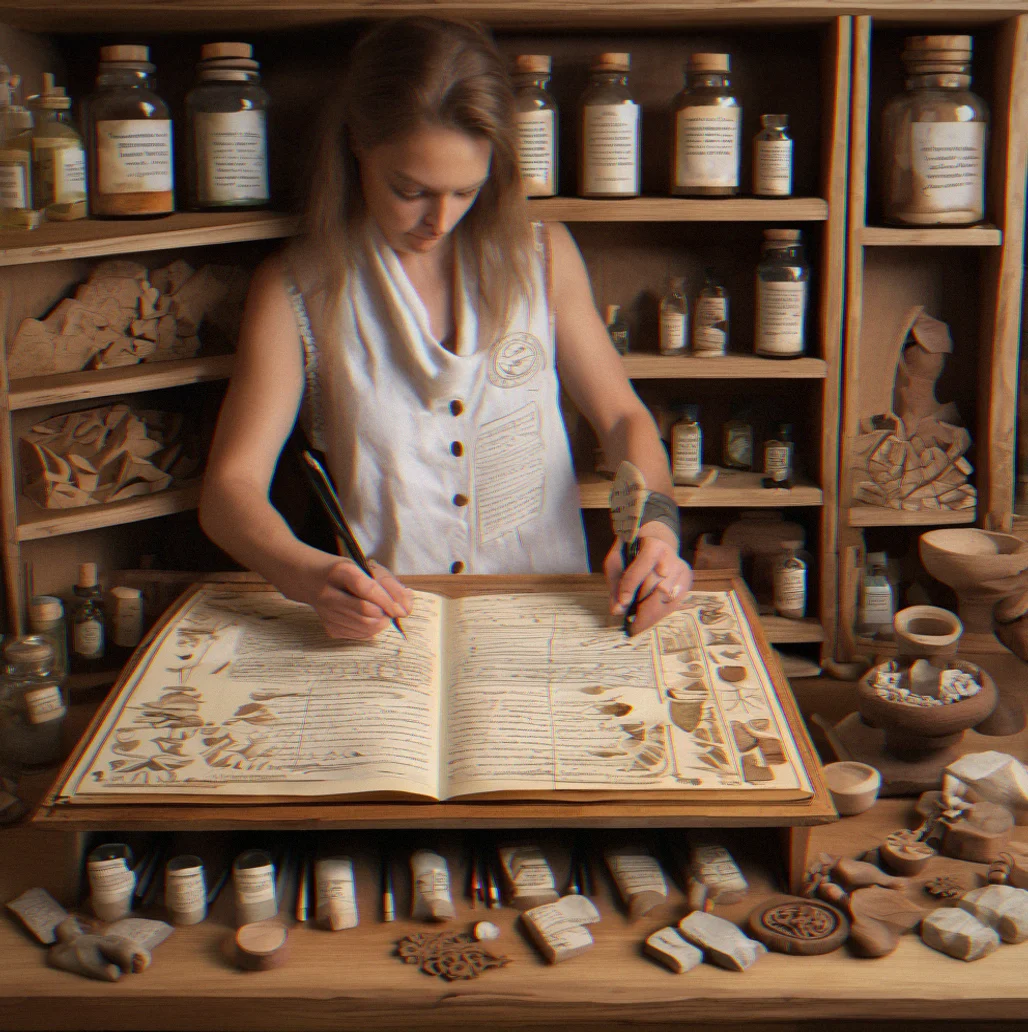
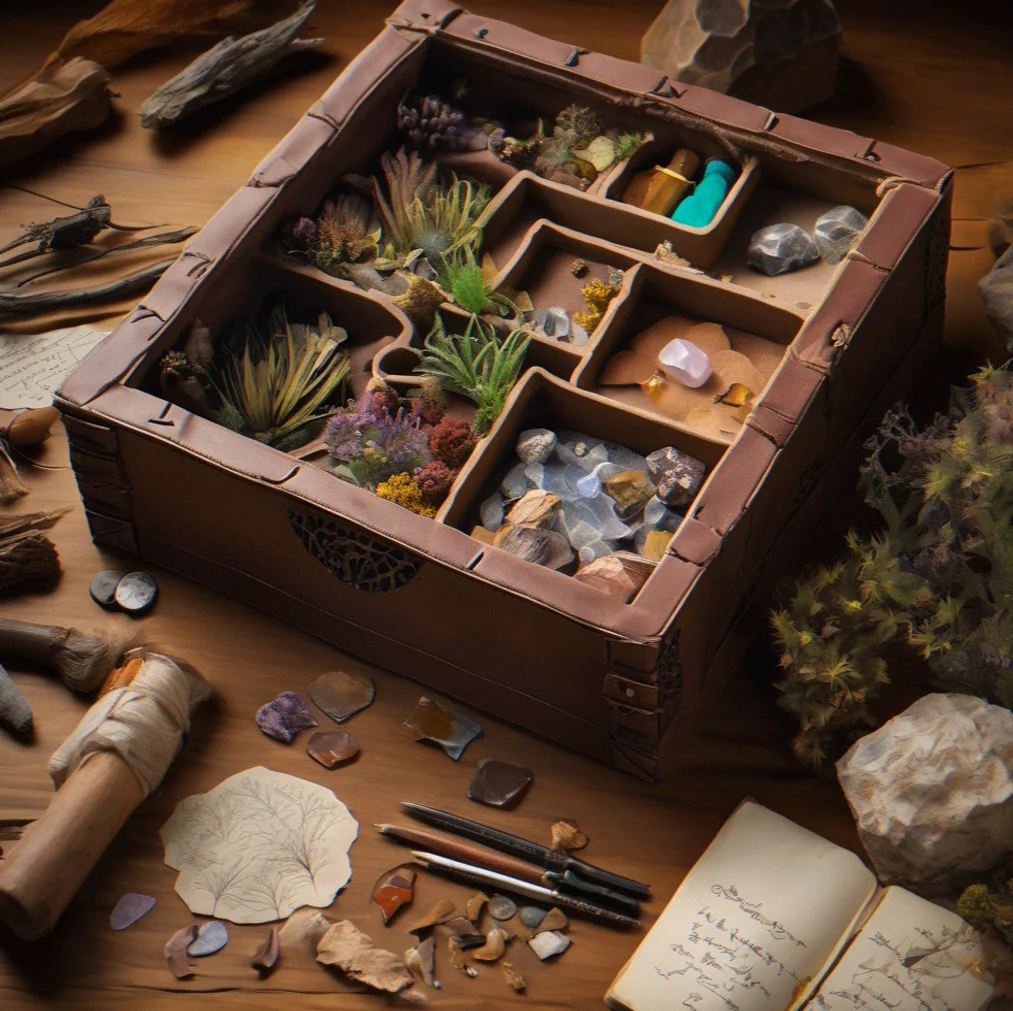
Wooden apothecary-style cabinet with compartments holding labeled spell components and materials

Spell Component Storage

Make the storage mirror how your magic system works. Five elements in your system? Organize by element. Magic schools? Organize by school. The way things sit on the shelf becomes proof of how magic actually functions in your world.

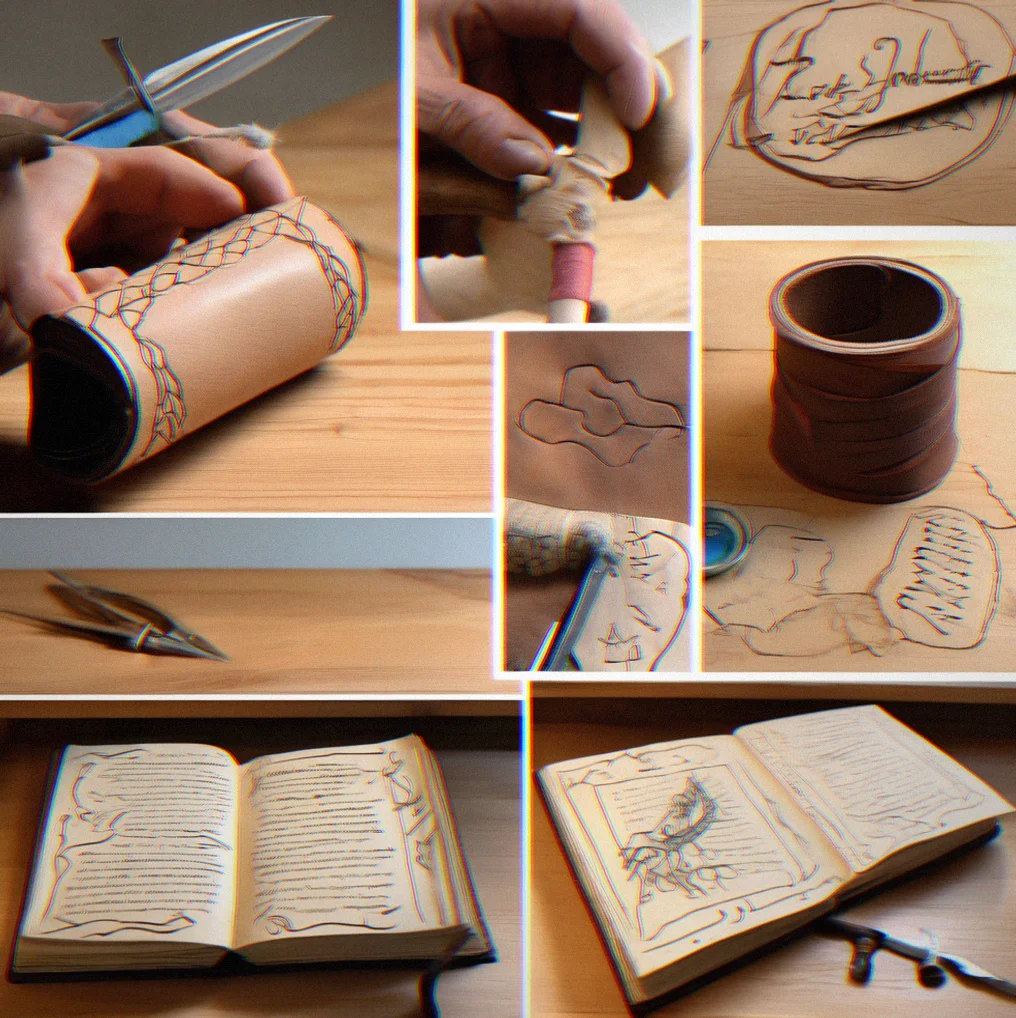
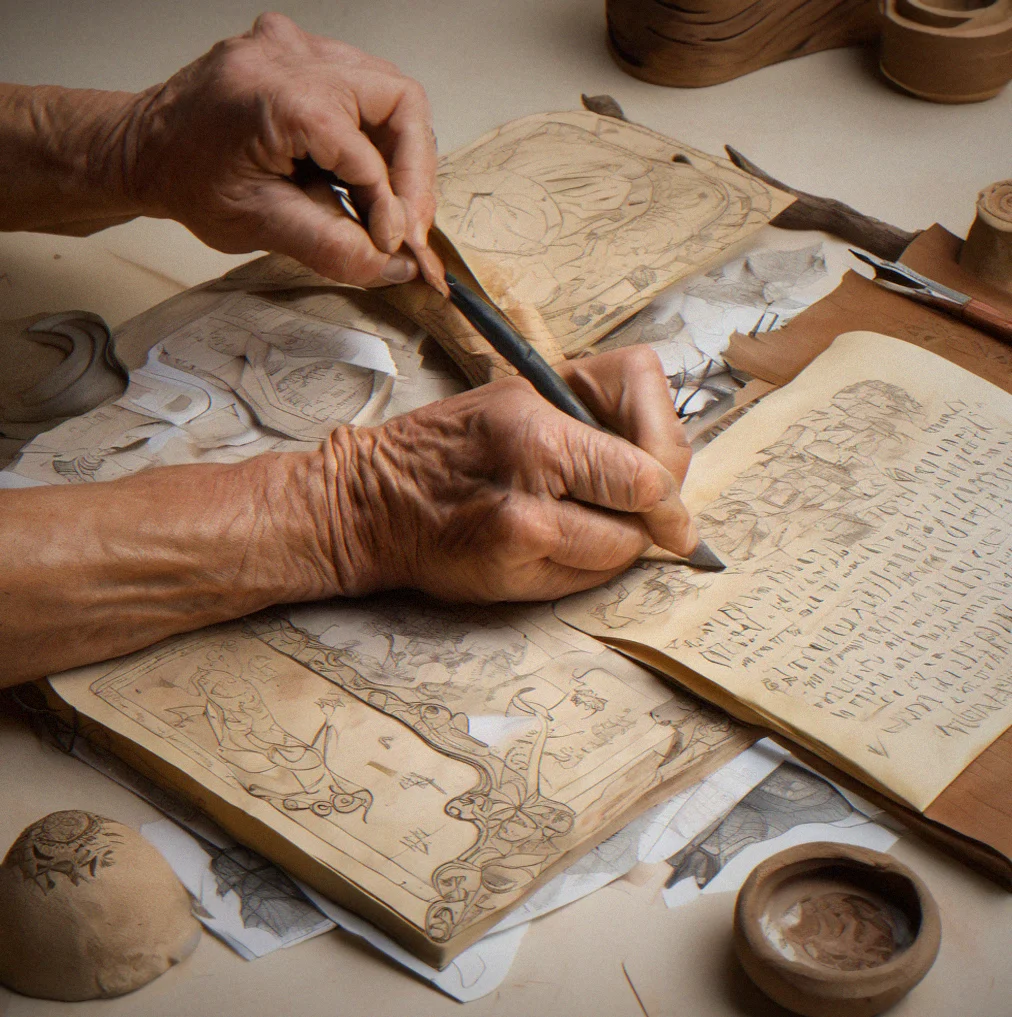
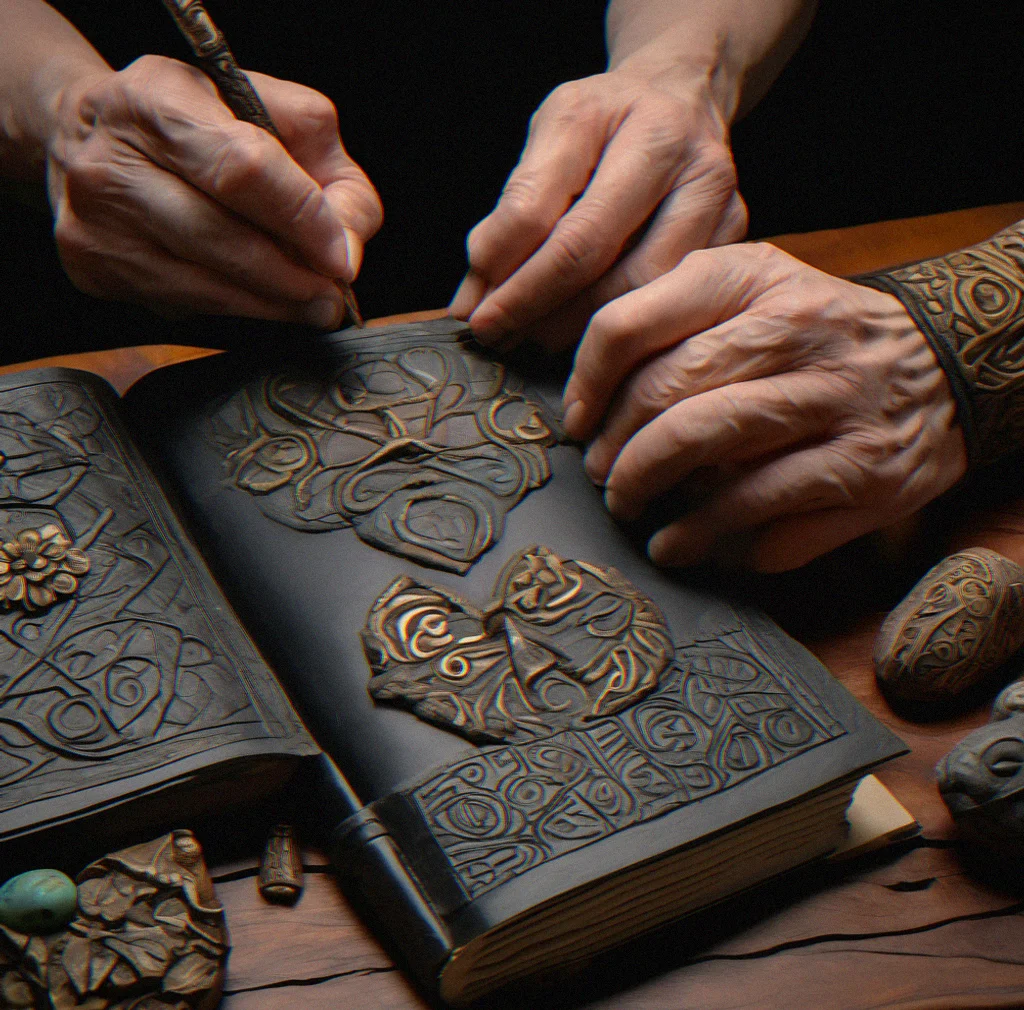
Open grimoire showing sewn signatures and leather spine with decorative tooling

Leather Binding Fundamentals

Traditional binding uses thread and a needle through signature blocks. Your stitch pattern affects both how long it lasts and how it looks. A pamphlet stitch handles a handful of signatures. A full case binding handles way more. Pick what matches how hard your grimoire will get used.

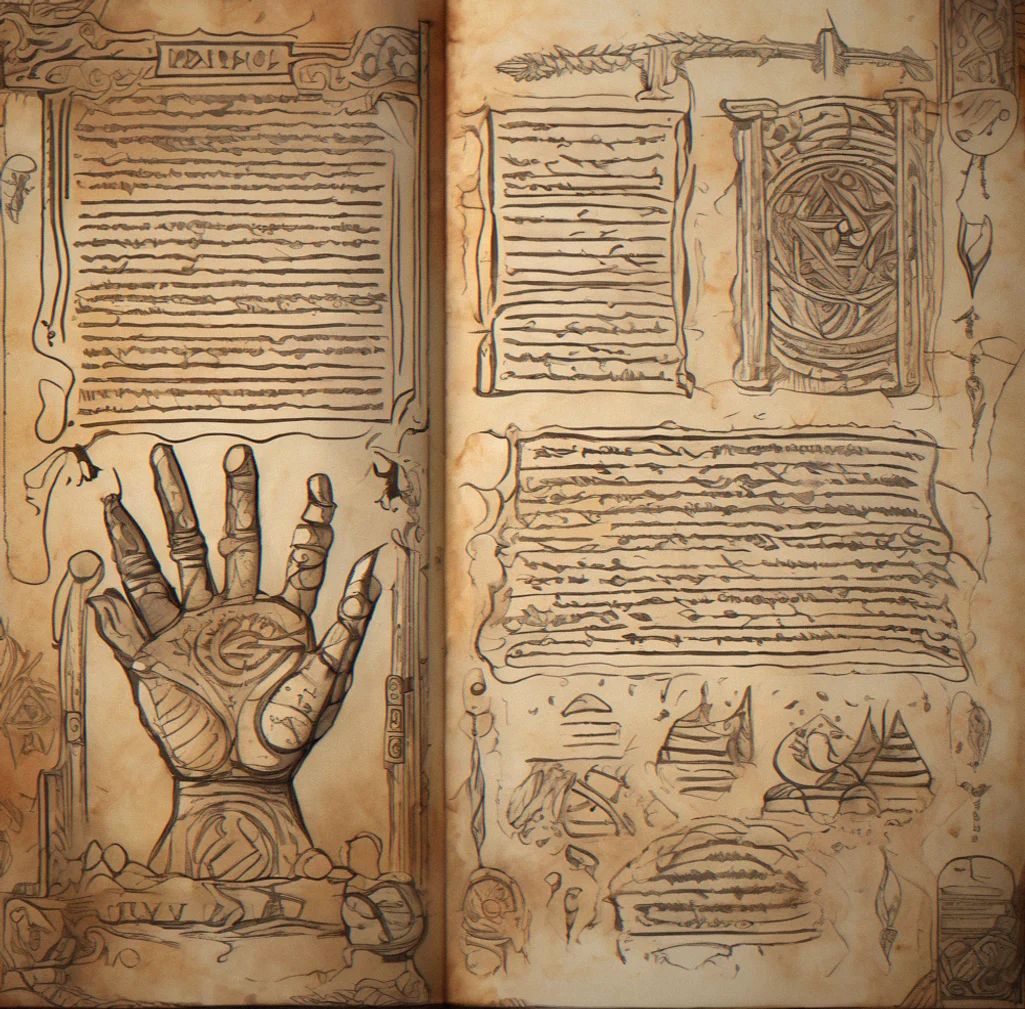
Grimoire page with three different glyph rendering techniques: stamped, hand-drawn and embossed

Integrating Notation Systems

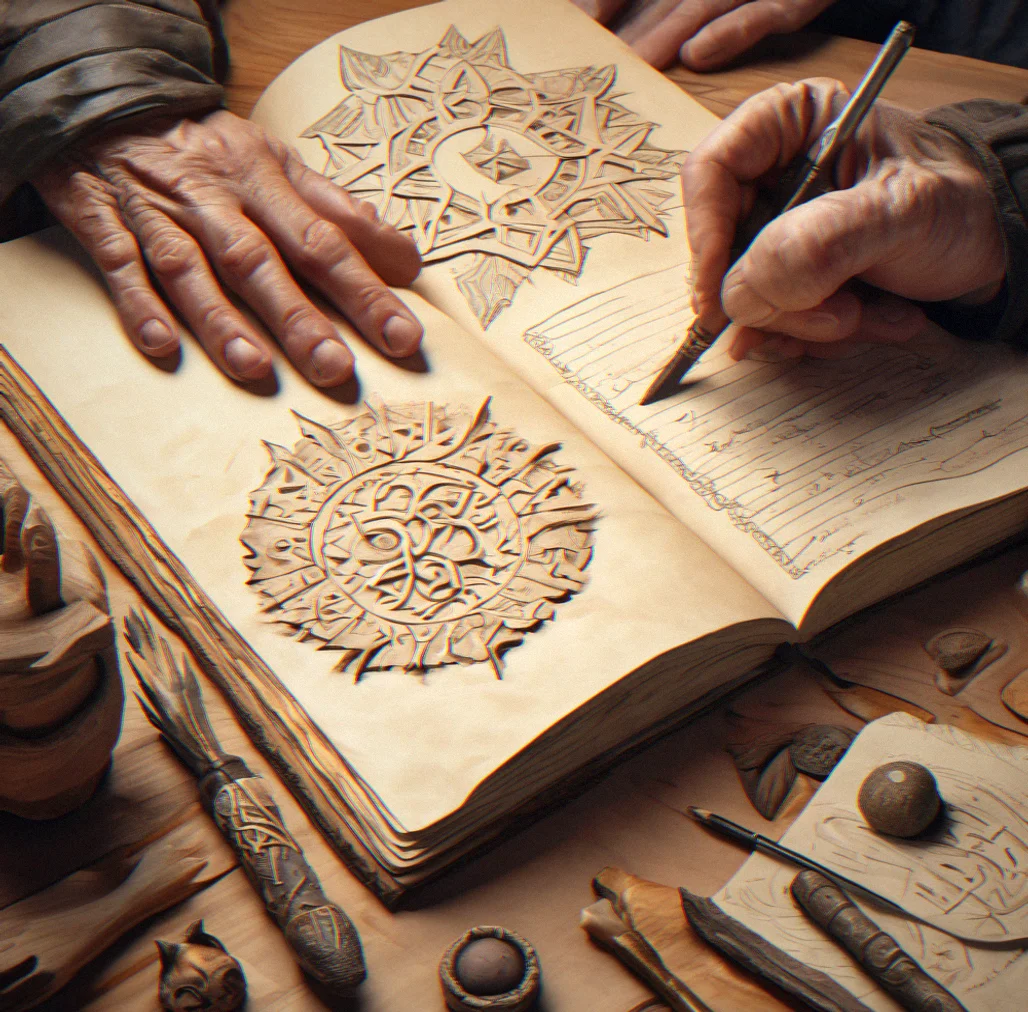
You invented glyphs. Now make them real. Stamps. Hand-drawn markers. Embossing. Each one means something different. Stamped feels official. Hand-drawn feels personal. Pick whichever one matches what your world actually values.

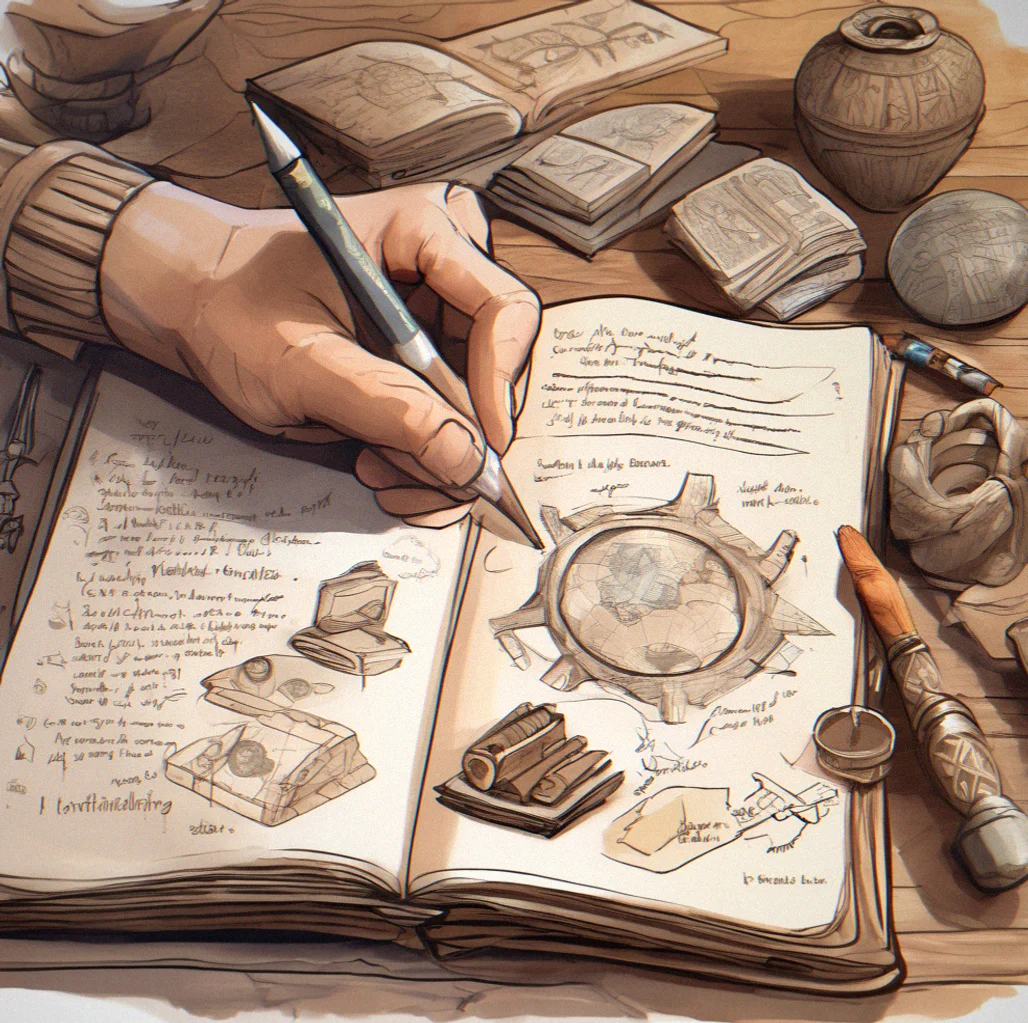
Craftsperson comparing completed artifact replica to open worldbuilding notebook and lore document

World-Coherence Testing

Before you finish anything, check it against your lore document. Does it contradict something? If electricity doesn't exist in your world, this shouldn't look factory-made. Hand-craftsmanship is valued, so every detail needs to show individual maker choices. Catch the problems now instead of after it's done.

Three grimoire samples made from different paper stocks ranging from basic to premium fiber content

Material Cost Decisions

Specialty paper costs more. High-end polymer clay costs more. Resin costs more. Sometimes that price is worth it. Sometimes it isn't. Figure out which materials actually change what you end up with versus whidh ones just sound fancier.

Three different photograpyh angles of completed artifact: flat lay, close detail, and lifestyle context shot

Photography and Documentation

You built it. Now photograph it so people actually understand your world. Flat lay showing the lore blocks. Shot in context. Close-up of the texture. Good documentation makes you see gaps you missed—it's part of the wroldbuilding itself.

Artisan Gallery

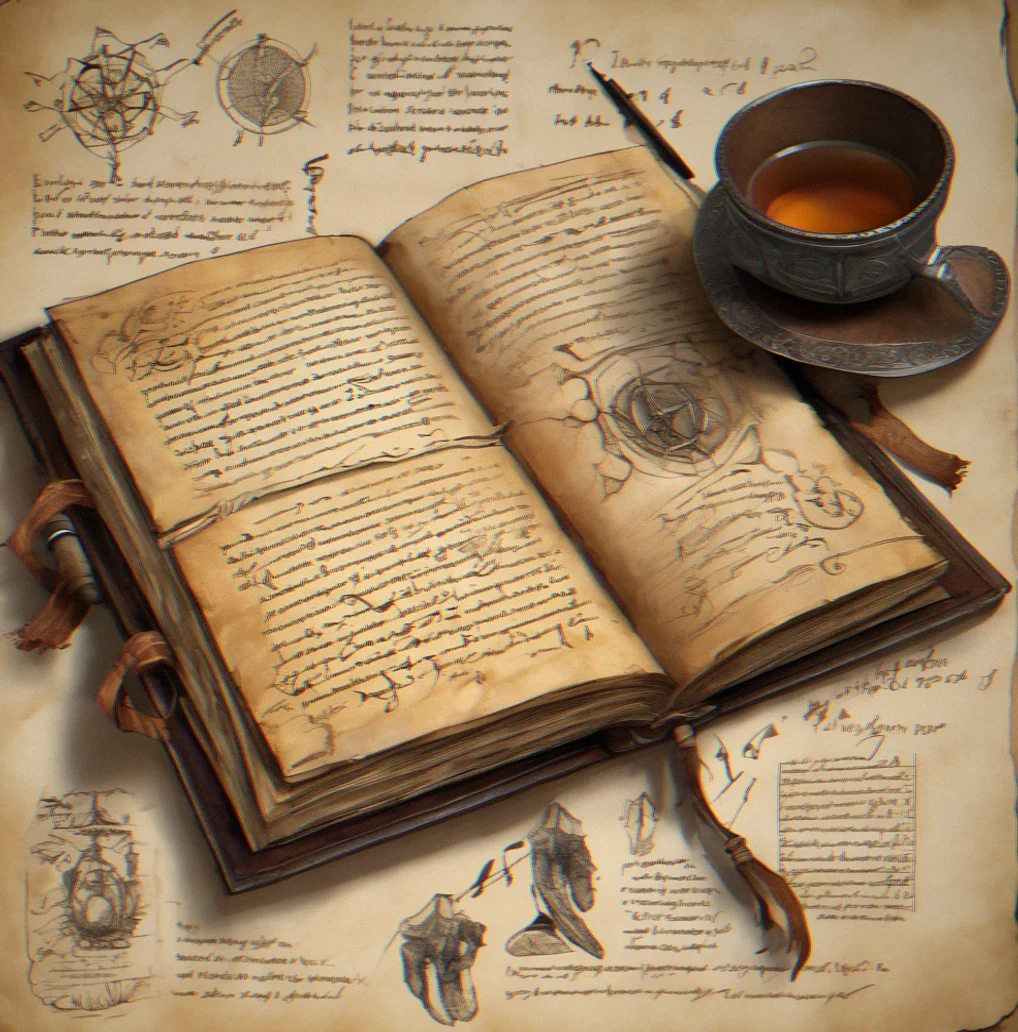
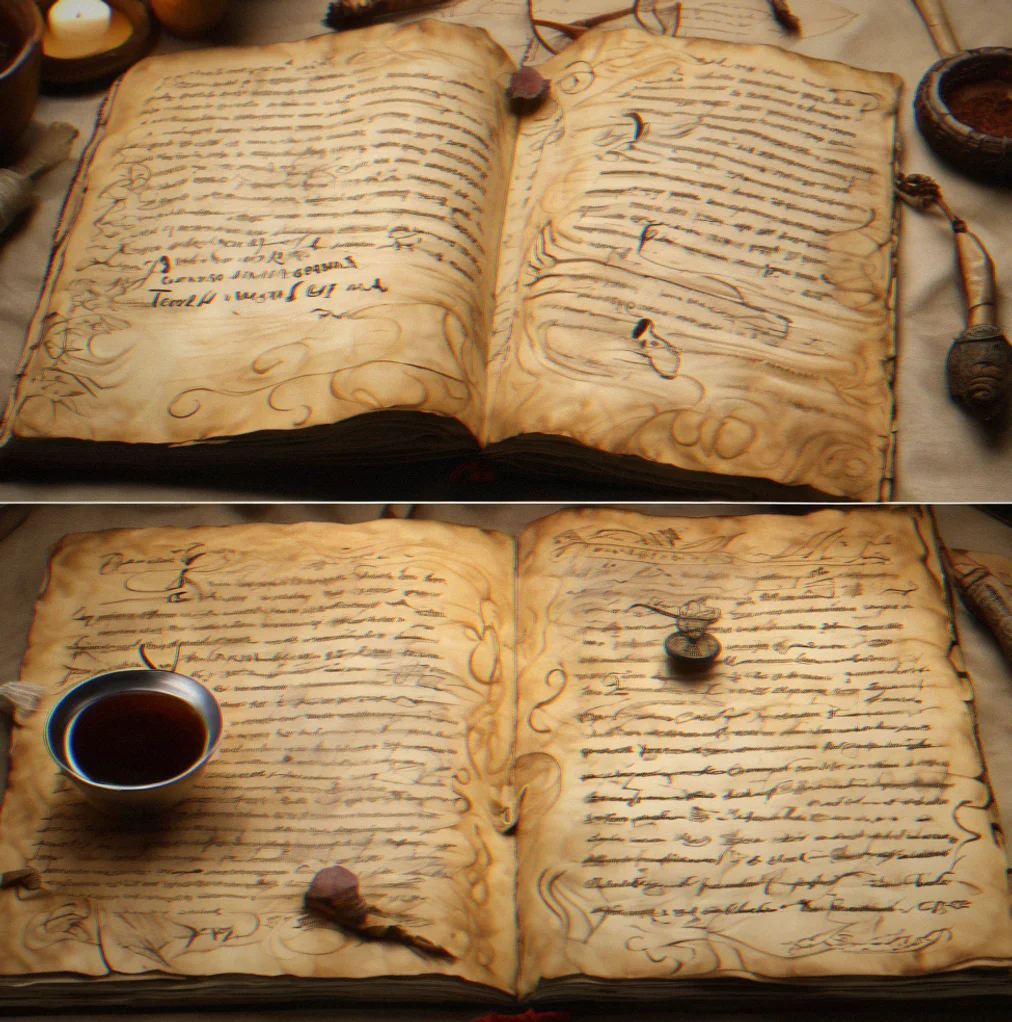
Worn grimoire pages stained with tea, fibers visible, opened to show handwritten text
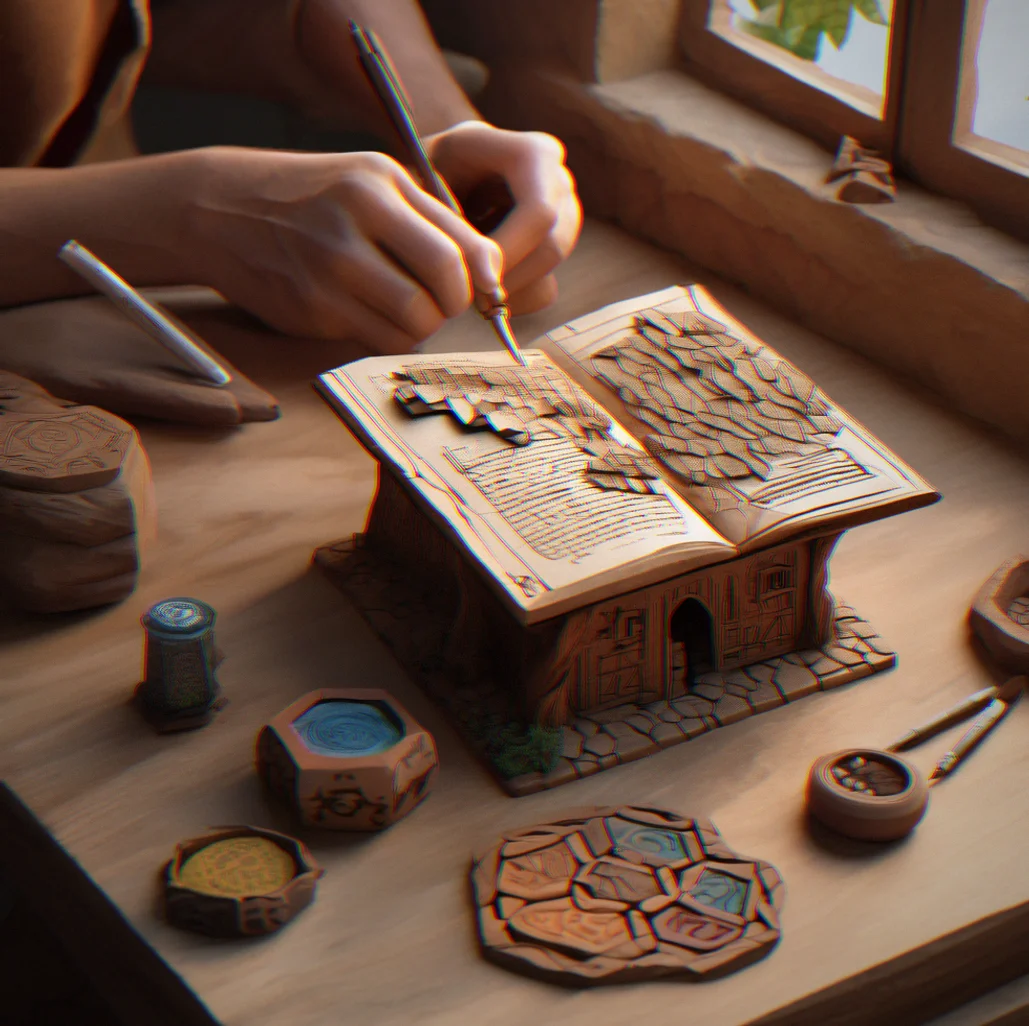
Polymer clay pieces at different stages of sculpting, surrounded by tools and reference photos
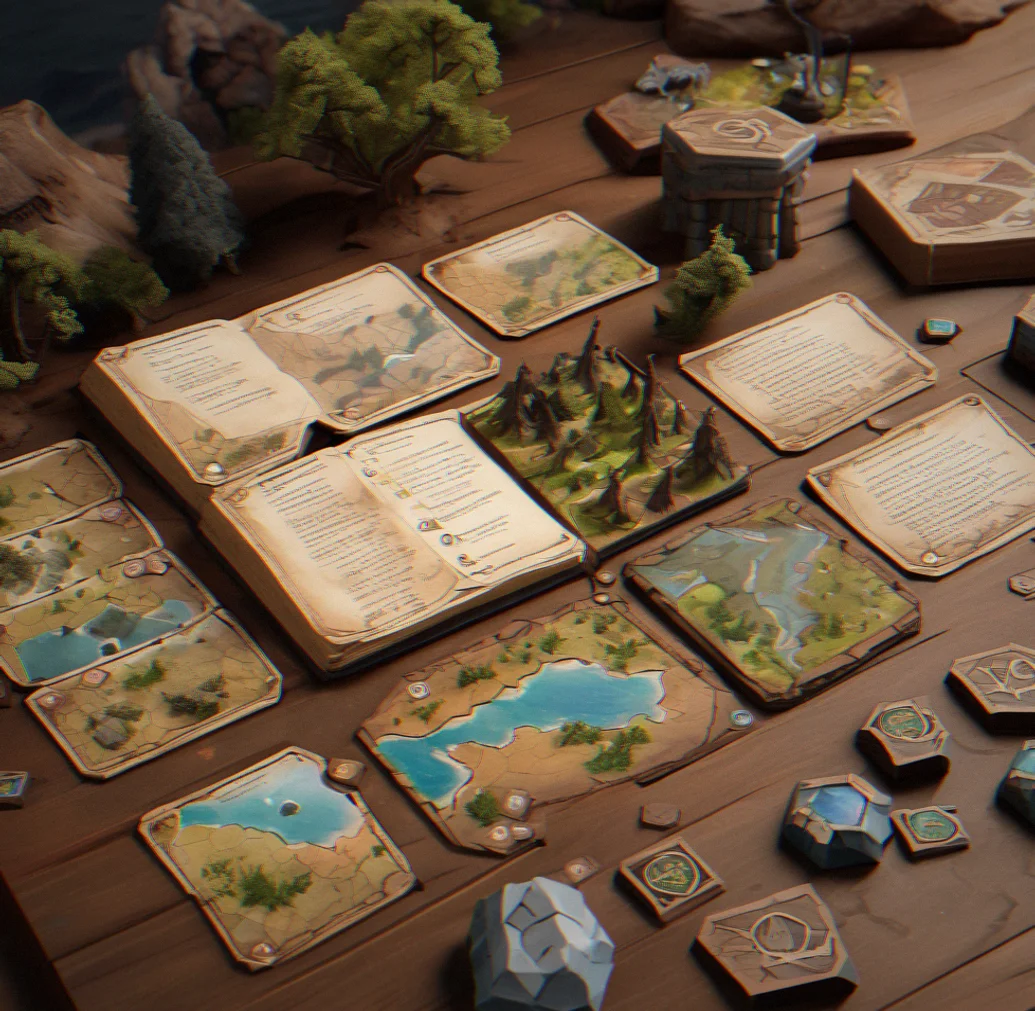
Twelve hexagonal terrain tiles in a honeycomb pattern, painted with features and lore catds slotted in
Leather spell component box with compartments full of dried plants, minerals, and labeled materials
Leather binding mid-project on a wooden bench, showing sewn signatures, thread, and bone folder
Detail of a grimoire page with three glyph techniques side by side: stamped, hand-drawn, and embossed
Someone comparing a finished artifact to their worldbuilding notes and sketches spread out next to it
Completed terrain diorama in natural light, showing how the modular hex tiles work together with the story elements built in

From Lore to Hands

Projects where the gap between worldbuilding and physical objects actually closes. (The messy part in the middle? That's where everything clicks.)

Open leather-bound grimoire with aged pages, handwritten notation in a constructed script, and a tea-stained margin

A grimoire that actually holds together. The aged paper feels right for the world's tech level. That script isn't some generic fantasy alphabet—it's straight from the lore document.

Five polymer clay artifact replicas arranged on black velvet, each with distinct surface texture and metallic patina

These artifacts respect what the culture could actually make. No razor edges when the metalworking tech isn't there yet. The patina and finish follow the world's own approach to craftsmanship.

Modular hex terrain set with lore block slots visible, showing forest and coastal biomes with integrated narrative cards

Terrain built for lore. Each hex tile fits 3x2 lore blocks into the design. You can actually pick this up, shuffle tiles around mid-session, and have your reference material in your hands.
The Core Work

Four areas where worldbuilding and craftsmanship actually collide.

Paper and Aging

Hands holding aged paper samples showing progression from white to dark brown tea-staining with visible fiber texture

Use cotton rag paper with at least 25 percent rag content if you want it to survive the aging process. Standard pulp falls apart. Brew black tea to the right strength, soak the sheets for a day or two, then dry them flat under weight. The method itself isn't hard but the material choice is what keeps your grimoire from falling apatr at the table.

Artifact Sculpting

Five polymer clay artifacts at different completion stages showing various surface textures and finishing techniques

Polymer clay is good for testing designs before you spend money on molds. Where it gets interesting is tying the sculpting to what your world actually allows. Does your metalworking culture have iron tools? That changes the surface detail. Do they care more about hand-marks than perfection? Then every edge becomes part of the story.
Modular Terrain Systems

Twelve hexagonal terrain tiles arranged in honeycomb pattern with painted biomes and visible card slots

Build it once and reuse it across multiple campaigns. Hexagonal tiles with lore slots cost more at first but pay for themselves once you're running your third world through the same set. Your photography gets better. The gameplay runs smoother.

World-Coherence

Craftsperson comparing completed artifact to open worldbuilding document with sketches and lore notes

This is where problems become obvious. Your grimoire contradicts the notation system you built. An artifact looks factory-made but your culture doesn't have factories. Fix these before you're done.

Materials in Motion

Five states of actual projects. From lore document to finished object. The path isn't linear, but it's traceable.

Workbench with cotton rag paper sheets, brewing tea in cerwmic bowl, scissors, bone folder, and open worldbuilding notebook

Polymer clay artifact in progress with sculpting tools, hand-written reference sketches, and material samples showing texture options

Completed modular terrain set with hexagonal tiles arranged showing forest biome, with lore block cards visible in integrated slots and open reference document

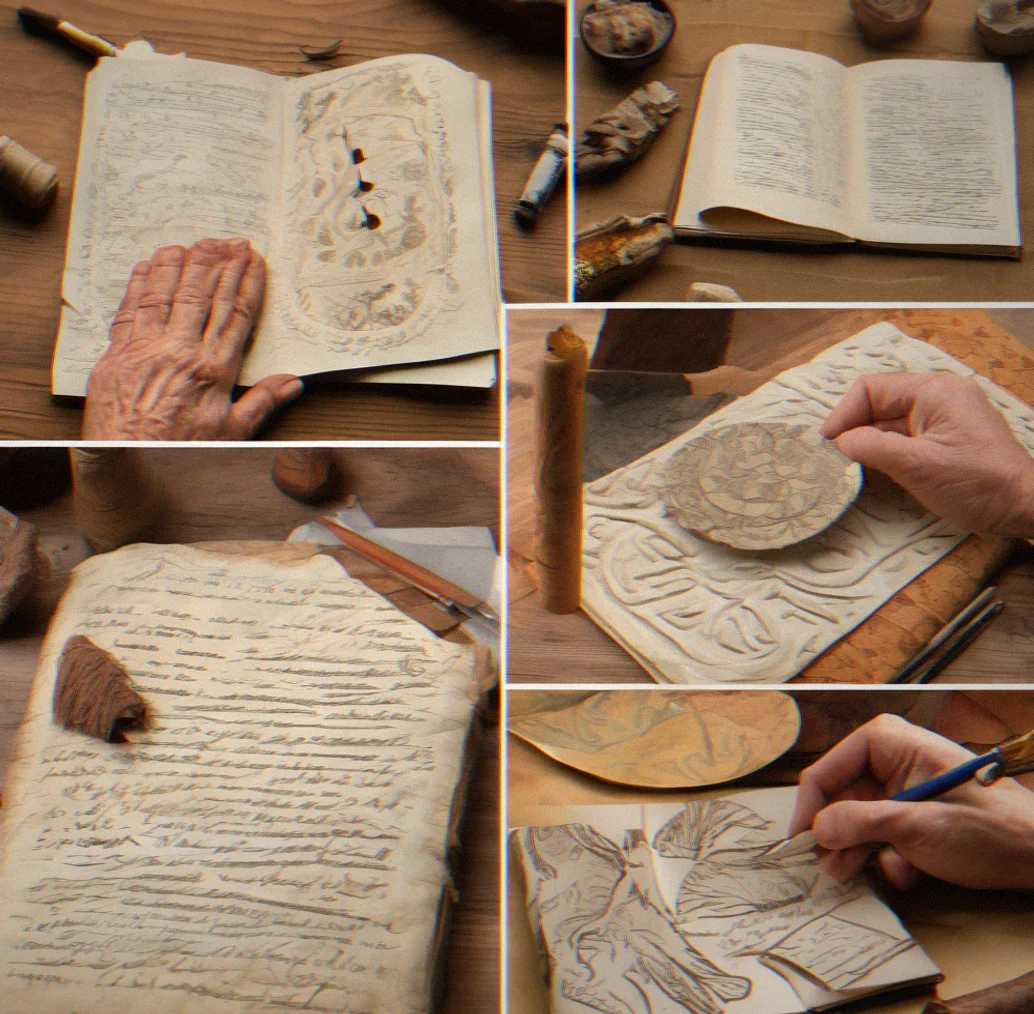
Open guide document showing step-by-step paper aging instructions with measurements and timing details

Technique-Specific Guides

These aren't watered-down craft instructions. You get actual methods for aging paper without destroying the fibers, polymer clay sculpting that respects your world's rules around metals and materials, real steps you can follow without second-guessing yourself at every turn.

Worldbuilding document open alongside finished artifact replica showing comparison process

World-Coherence Integration

Your artifact shouldn't clash with your lore. The guides actually walk you through a check before you call it done—most people skip this and end up regretting it later. You catch the contradictions while they're still easy to fix.

Hexagonal terrain tile with inserted lore card showing integrated slot design and written content

Lore Block System

Your terrain becomes the lore. Hexagonal tiles with slots sized for 3 by 2 inch cards. Drop your written world-building right into the diorama. It works for gameplay and you can actually read it.

Three paper samples side-by-side showing budget option, mid-range and premium rag paper with aging results

Material Decision Framework

Cotton rag paper runs more expensive than standard pulp. Good polymer clay from specialty suppliers costs extra too. The framework helps you figure out which upgrades actually shift the final result and which ones don't. Spend your money where it matters.

Project notes with crossed-out sections, annotations and photos showing abandoned approaches and revisions

Real Project Documentation

The failures are in there. Material switches, dead ends, why certain decisions got made and what came after. Not polished portfolio work—actual projects with all the rough spots left in.

Single modular terrain tile photographed in three different campaign settings showing versatility

Modular, Reusable Systems

Build it once and pull it into multiple worlds. The hex terrain scales across different campaigns. Grimoire binding techniques work for five different projects without modification. You get the payoff across everything you make.

72 Hours of Work

Five projects at wildly different scales. Started one with just a single grimoire signature, ended another with a complete modular terrain set you can actually use. Every single one began in lore and finished as something tangible.

Cotton rag paper submerged in ceramic bowl of dark brewed tea, showing initial staining on edges

Hour zero. Paper hits the tea. Temperature's everything here. Push it too hot and the fibers just break down. Too cold and you're sitting there watching nothing happen.

Polymer clay artifact in mid-sculpting showing tool marks, reference sketches, and surface texture work in progress

Working out the details. This whole thing is built around a metallurgical system that actually values the hand-marks, not machine precision. The texture on the surface is basically a record of how it got made.

Three aged grimoire pages showing progression of tea staining with visible fiber texture and hand-written notation in constructed script

Three samples showing what happens at a day in, two days in, and the full three days. That darkest page soaked for the entire duration. Totally worth the wait.

Ten hexagonal terrain tiles in various stages of assembly showing base terrain painting, lore block slot installation, and edge finishing

These hex tiles are modular. Each one holds a 3 by 2 lore block inside. Yeah, milling out those slots takes forever, but once they're in you've got terrain that's both readable and actually playable at the same time.

Completed leather-bound grimoire open to show aged pages, sewn signature binding, and hand-lettered glyph work throughout

The finished grimoire. Leather binding on the case. Pages aged properly. The whole notation system woven through it. This thing actually communicates back to the world that made it.

FAQ

Getting Started

Questions About the Work

Real questions from people deciding whether this is for them. No marketing speak—just direct answers about time, cost and what you actually need to start.

Not really. You do need to have already spent time on worldbuilding though. These guides assume your lore document exists. If you haven't built the world yet, go do that first and circle back when you have something to work with. We're teaching technique on top of what you already know, not building from zero.

Somewhere between $25 and $40 if you're not trying to cut every corner. Cotton rag paper—you need at least 25 percent—will run you maybe $12 to $18 for a small batch. Tea and basic binding supplies get you another $8 to $12. If you want a leather cover, tack on another ten or twenty bucks. Nothing here is specialty stuff, just materials that actually hold up.

You probably grabbed pulp paper and brewed the tea way too hot. Pulp fiber just disintegrates in hot liquid. Cotton rag is your minimum. Keep the water under 160 degrees—think a cup of hot tea, not a rolling boil. Let it sit for a day or two or three depending on how dark you want it. Then dry it flat with something heavy on top.

Absolutely. You're learning how to do something, not learning the copyright material itself. Make artifact replicas for your own table or personal collection whenever you want. Selling them is off limits, but building and using them is fine. The methods for fitting things into existing lore work just as well whether you're making homebrew or working in someone else's world.

A dozen hex tiles from beginning to end takes somewhere between twenty and thirty hours spread over four to six weeks. That's base prep, painting, slot work, plus all the waiting between coats. It's slow. But you build it once and then you're using those tiles across five different campaigns. The time investment pays for itself.